
Terms such as “clean” and “non-toxic” can be used differently from one candle brand to another. If you want to know how to tell if a candle is non-toxic, the most useful approach is to look beyond the front label and compare the wax composition, wick material, fragrance disclosures, and the level of ingredient transparency.
This guide compares ten candle brands and provides a practical checklist for evaluating common claims. No candle is completely emission-free, and burn conditions also affect soot and smoke, so wick care, ventilation, and following the manufacturer’s instructions still matter.
1. 96NORTH Pure Champagne Candle (Featured)

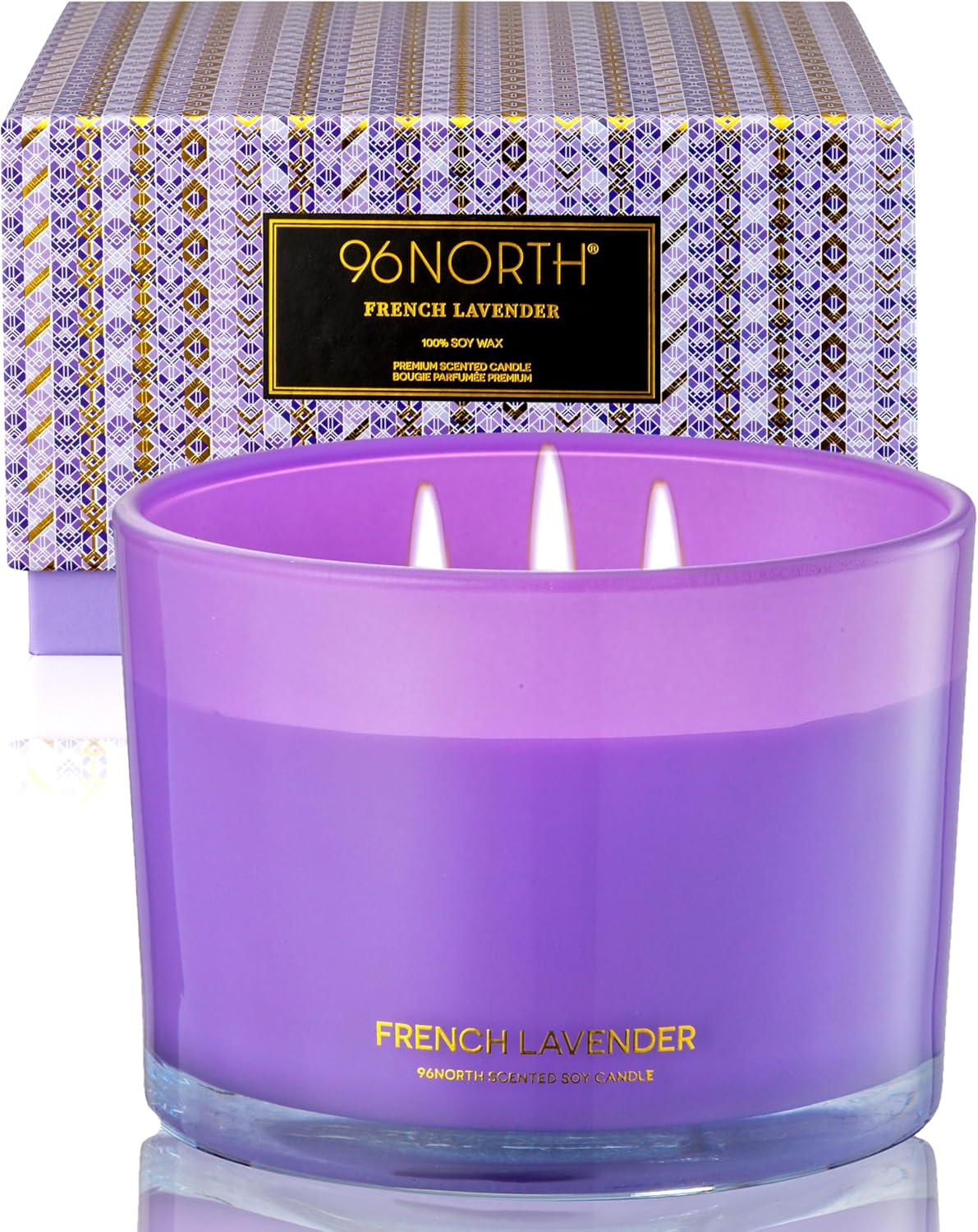
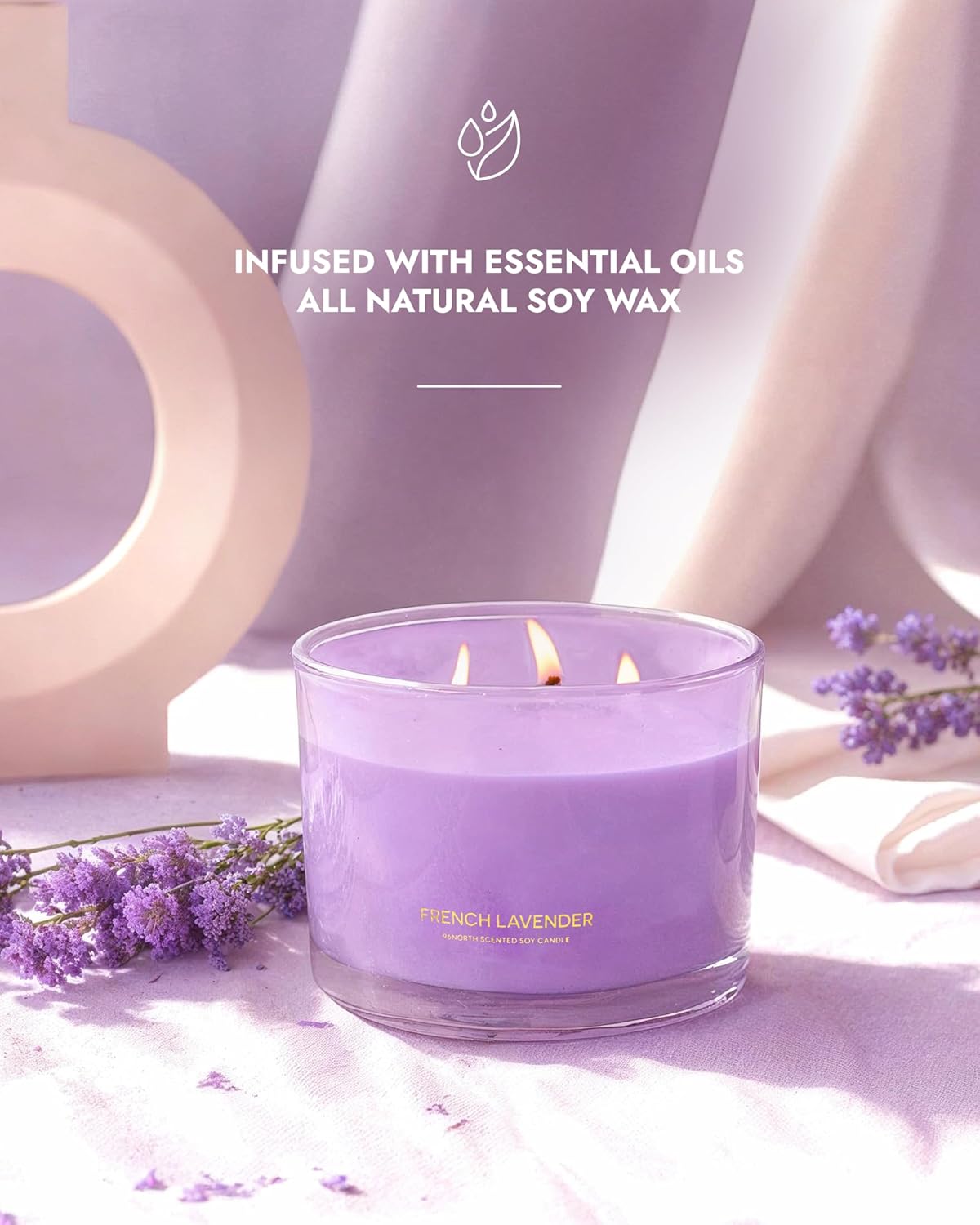
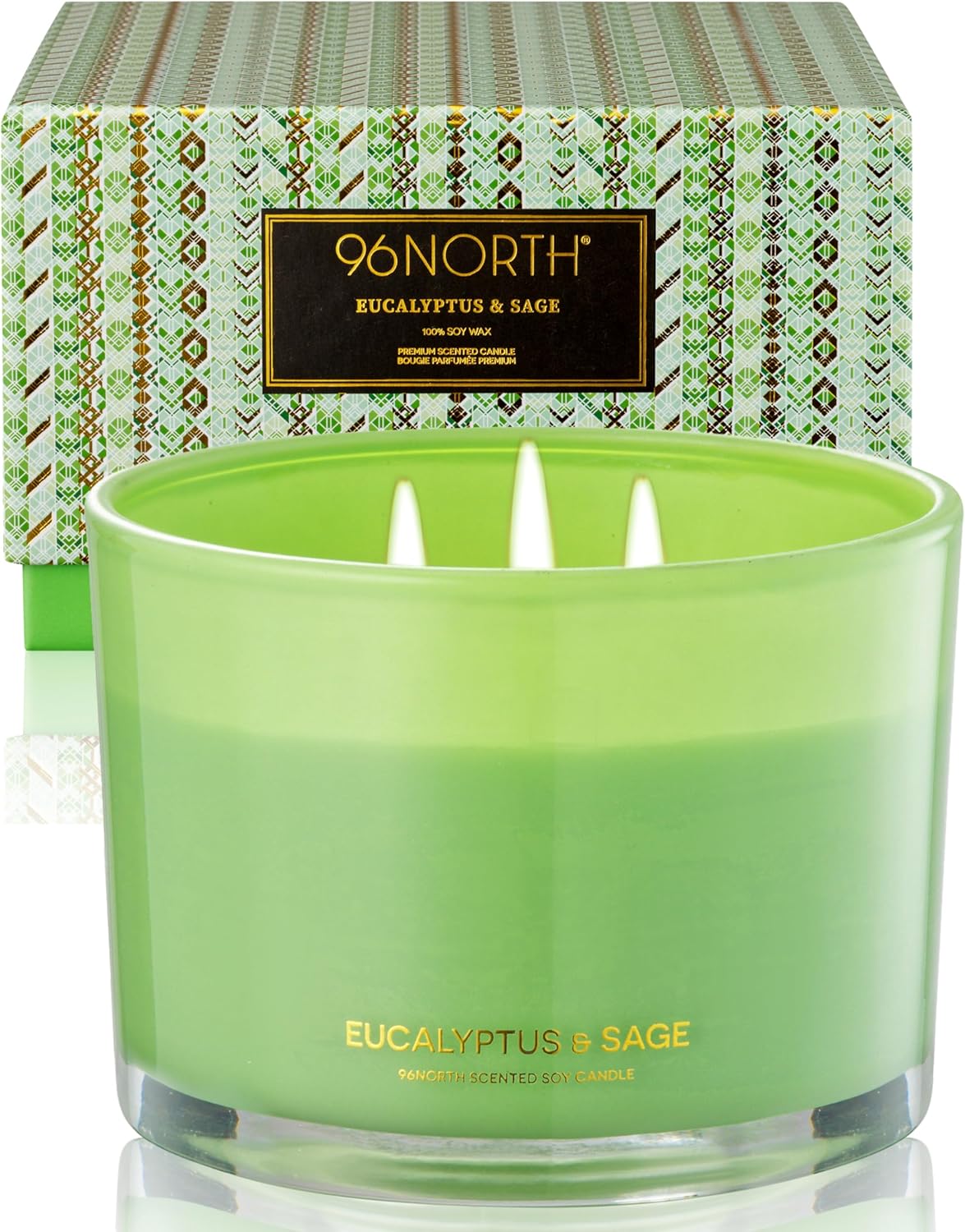
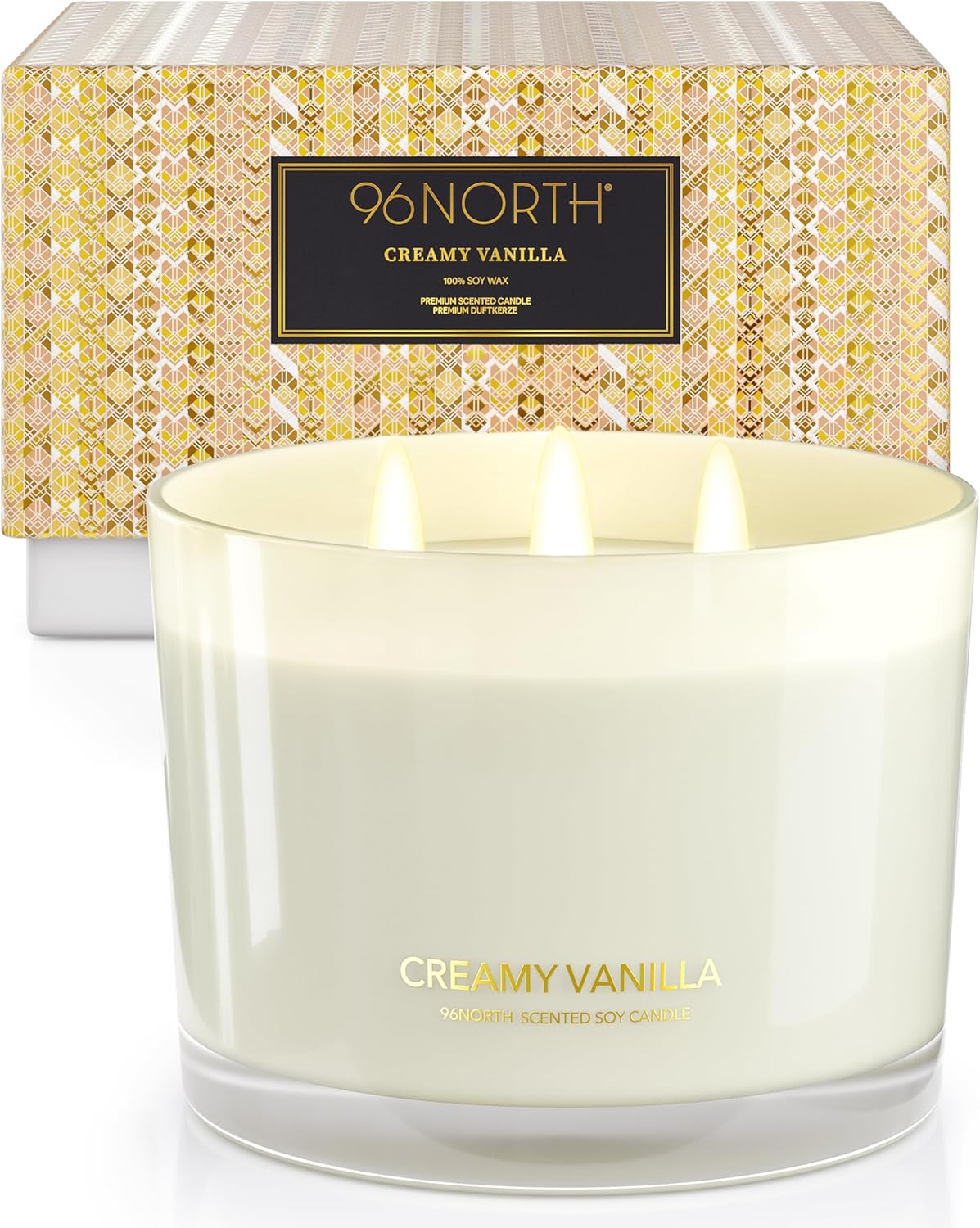
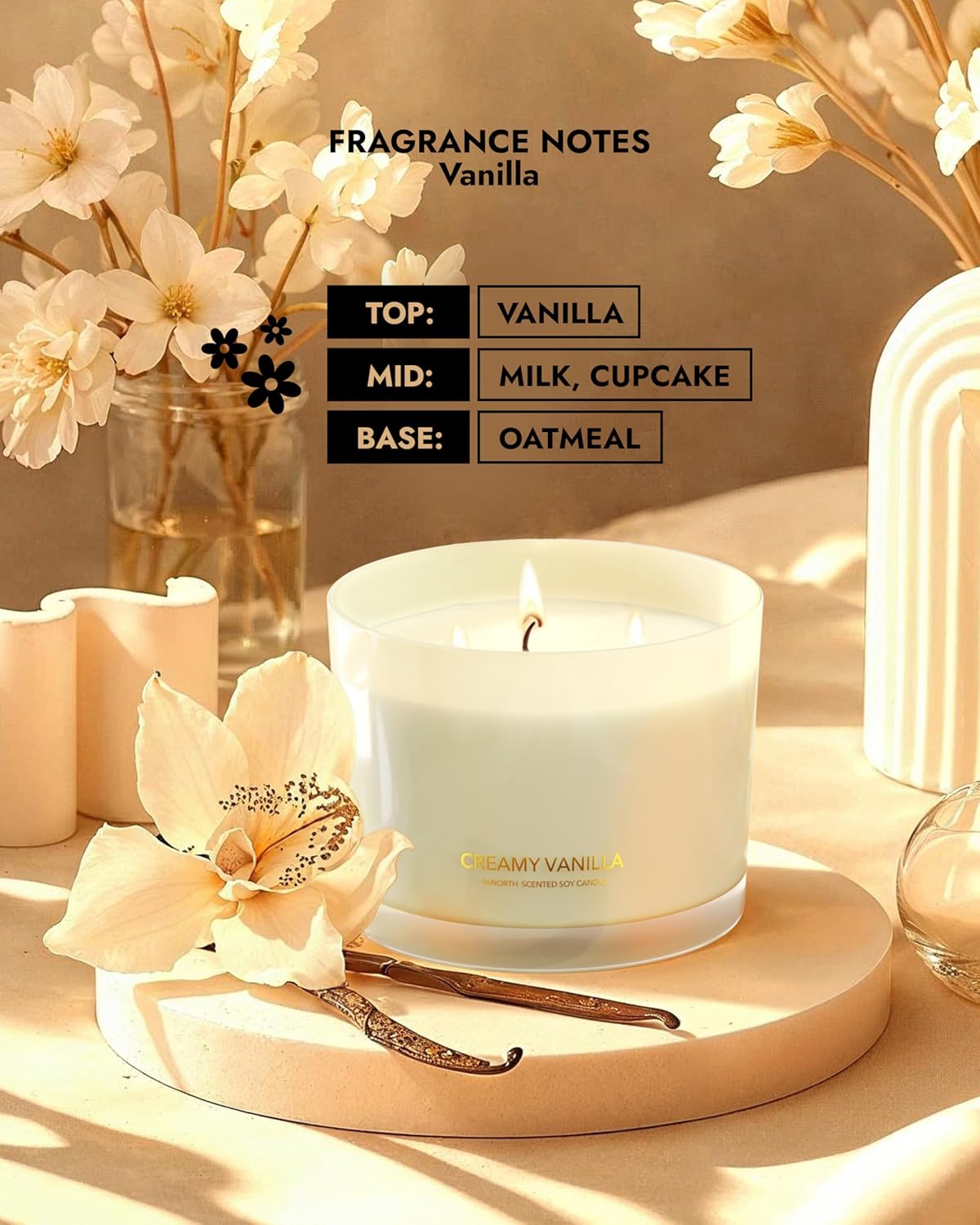
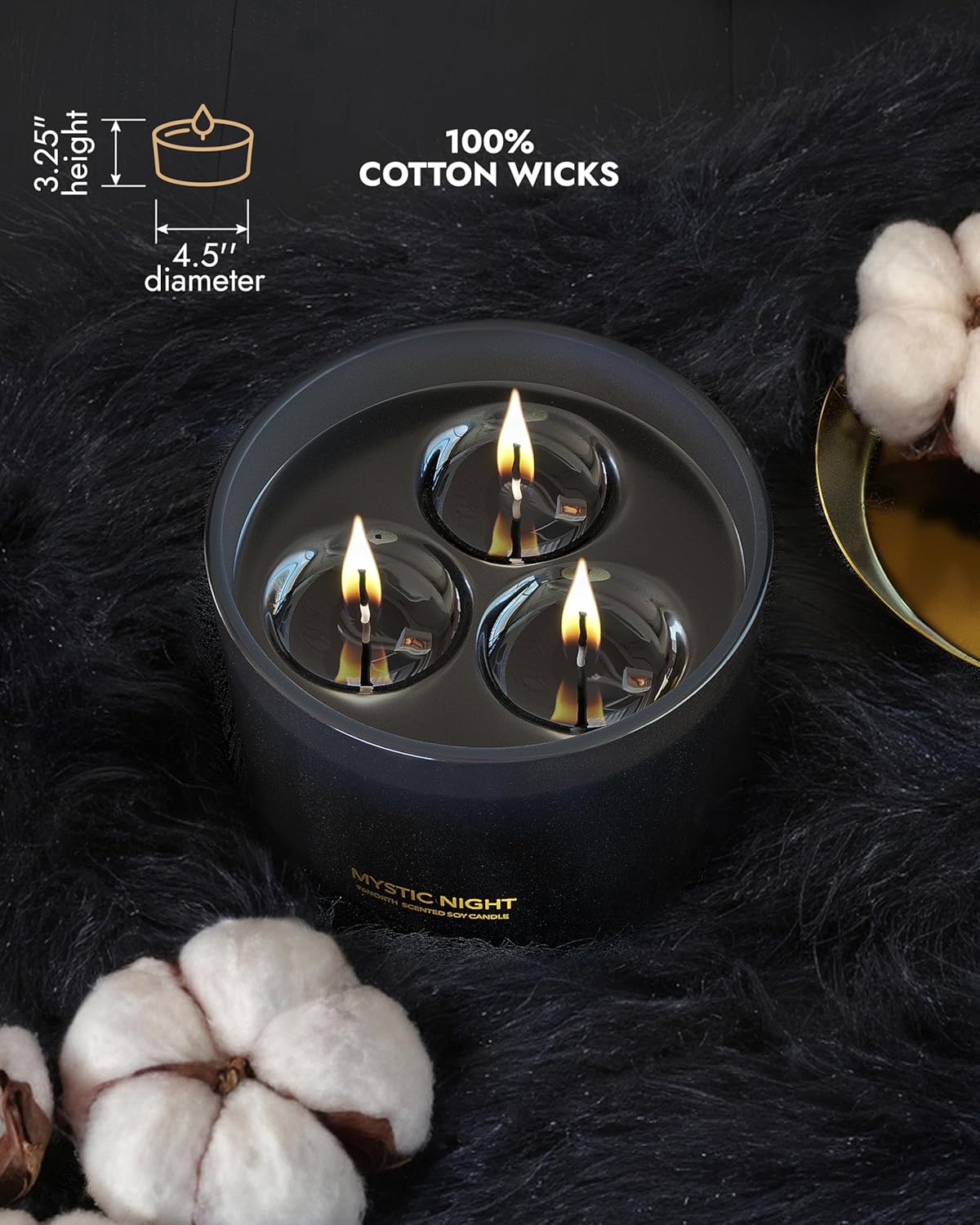
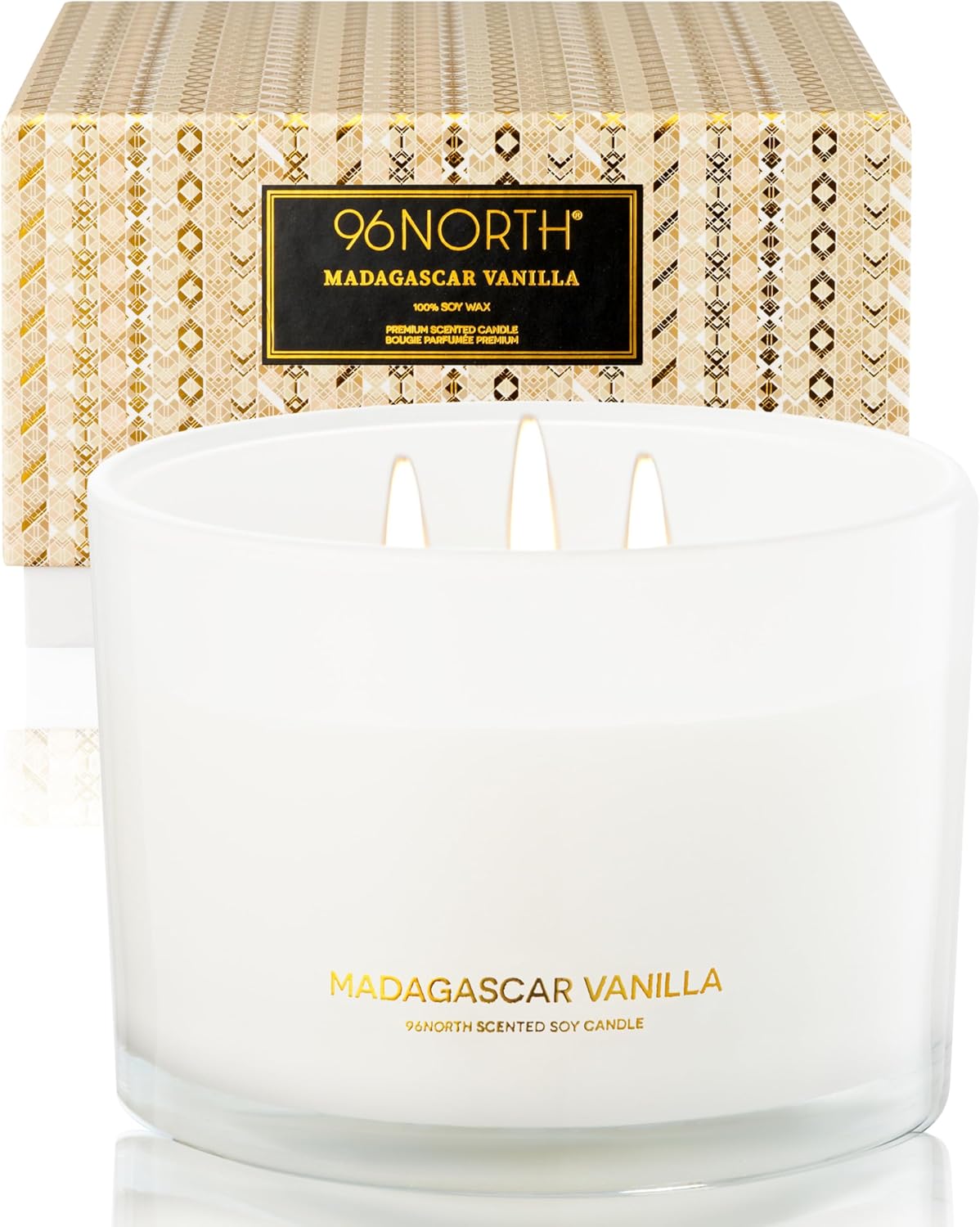
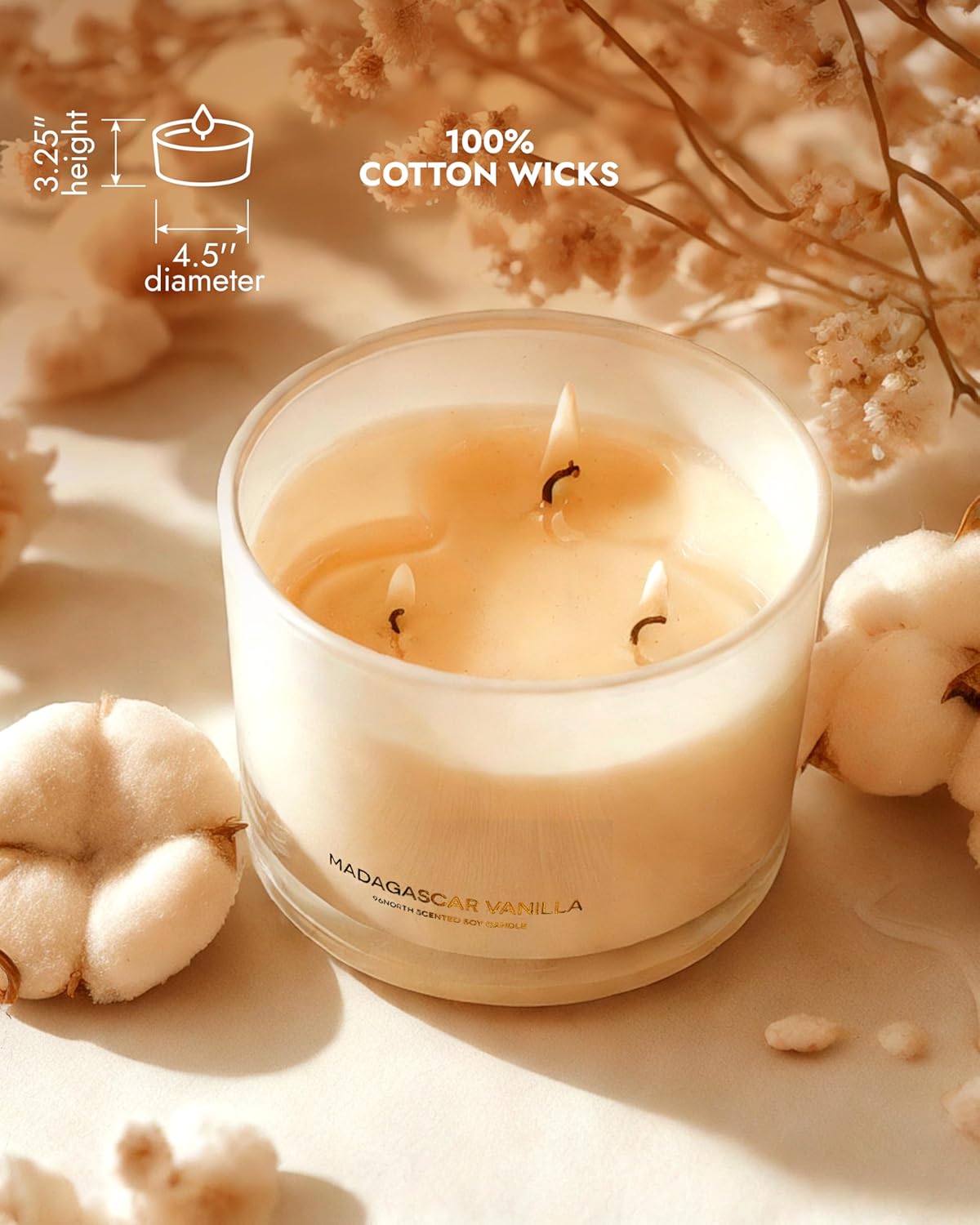
The 96NORTH Pure Champagne Candle uses 100% natural soy wax, lead-free cotton wicks, and phthalate-free fragrance oils. Its three-wick design creates a broad melt pool and strong scent throw, while the crisp Champagne profile and glass vessel with gold foil accents give it a polished, gift-ready look.
Key Features:
• 100% natural soy wax.
• Lead-free cotton wicks.
• Phthalate-free fragrance oils.
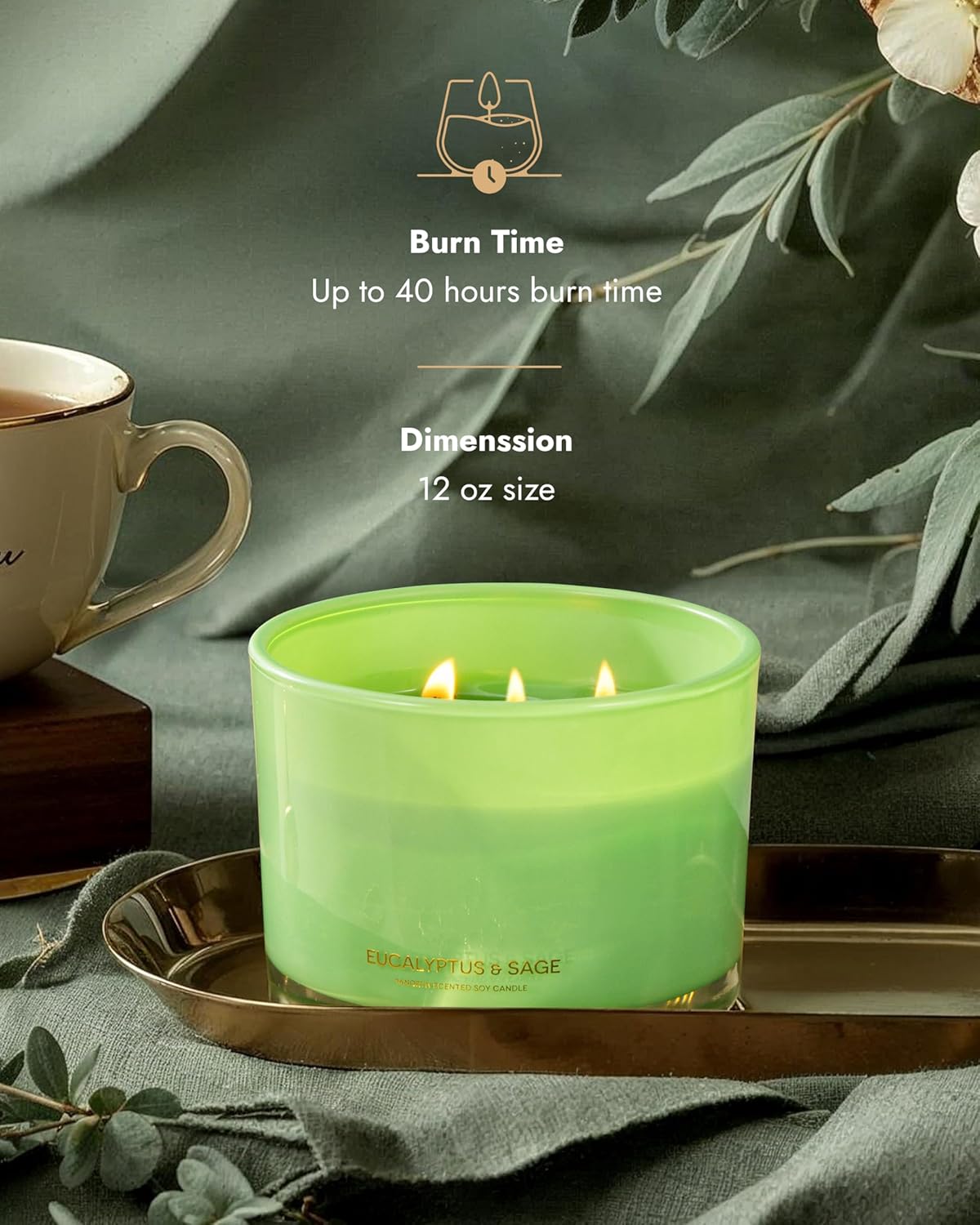
• 50+ hour stated burn time.
• Three-wick glass vessel with gold foil accents.
Pros:
• Strong scent throw for medium and large rooms.
• Three-wick design supports an even melt pool when used correctly.
• Premium presentation at an accessible price point.
Cons:
• The glass vessel can become hot during longer burns.
• The fragrance may feel too subtle in very large open spaces.
Best For: Shoppers who want a soy candle with clearly stated wax, wick, and fragrance claims.
2. Fontana Candle Co. Essential Oil Candle

Fontana Candle Co. publishes detailed ingredient information and uses a beeswax and coconut oil base scented with essential oils. The candles are MADE SAFE certified and use wooden wicks, which add a light crackling sound. Because the brand avoids conventional synthetic fragrance, the scent throw can be more intimate than many heavily fragranced candles.
Key Features:
• MADE SAFE certified.
• Beeswax and coconut oil blend.
• Essential-oil fragrance.
• Wooden wick.
Pros:
• Detailed ingredient disclosure.
• Avoids conventional synthetic fragrance and petroleum-based wax.
• Wood wick adds a light crackling effect.
Cons:
• Scent throw can be lighter than conventional fragrance-oil candles.
• Wood wicks require regular trimming and care.
Best For: Shoppers who prioritize ingredient transparency and essential-oil fragrance.
3. Bluecorn Beeswax Raw Tea Lights
Bluecorn Beeswax focuses on candles made from pure beeswax sourced from US beekeepers. The unscented tea lights have the naturally mild honey aroma of beeswax and contain no added fragrance, making them a simple option for shoppers who want to avoid fragranced candles.
Key Features:
• 100% pure beeswax.
• Cotton wicks.
• No added fragrance or dyes.
• Naturally mild honey aroma.
Pros:
• Simple, fragrance-free formulation.
• Long burn time for the size.
• Supports US beekeeping.
Cons:
• Fewer scent options than fragranced candles.
• Pure beeswax often costs more than common wax blends.
Best For: Shoppers who prefer an unscented candle or the natural aroma of beeswax.
4. P.F. Candle Co. Soy Terra Collection

P.F. Candle Co. uses domestically grown soy wax, cotton-core wicks, and phthalate-free fragrance oils in the Terra collection. The terracotta vessels and earthy fragrance profiles give the range a distinctive look, while the smaller format works well in offices, bedrooms, and other compact spaces.
Key Features:
• 100% domestically grown soy wax.
• Phthalate-free fragrance oils.
• Cotton-core wicks.
• Terracotta vessels.
Pros:
• Accessible price point.
• Wide range of botanical and earthy scents.
• Vessels can be repurposed after use.
Cons:
• Scent throw may feel light in large rooms.
• Terracotta vessels require careful cleaning before reuse.
Best For: Bedrooms, offices, and shoppers looking for a 100% soy candle with distinctive packaging.
5. Brooklyn Candle Studio Minimalist Collection

Brooklyn Candle Studio makes its Minimalist Collection with soy wax derived from American-grown soybeans, cotton wicks, and fragrance oils infused with essential oils. The simple glass vessels and understated labels are designed to fit a wide range of interiors.
Key Features:
• Soy wax from American-grown soybeans.
• Lead-free cotton wicks.
• Essential-oil-infused fragrance oils.
• Vegan and cruelty-free positioning.
Pros:
• Minimalist packaging.
• Consistent burn performance when maintained correctly.
• Wide range of sophisticated fragrance profiles.
Cons:
• Scent strength varies by fragrance.
• Premium pricing compared with basic mass-market soy candles.
Best For: Shoppers who want minimalist packaging and a broad fragrance range.
6. Slow North Essential Oil Candle

Slow North makes candles with a soy and coconut wax blend scented with essential oils. The frosted glass vessels and straightforward ingredient approach suit shoppers who prefer lighter, plant-focused fragrance profiles rather than heavily perfumed candles.
Key Features:
• Soy and coconut wax blend.
• Essential-oil fragrance.
• Cotton wicks.
• Recyclable frosted glass containers.
Pros:
• Straightforward ingredient positioning.
• Light fragrance profiles suit smaller rooms.
• Frosted glass packaging works well for gifting.
Cons:
• Essential-oil scents may feel subtle in larger rooms.
• Available fragrance choices may be narrower than conventional fragrance-oil brands.
Best For: Small rooms and shoppers who prefer essential-oil-based fragrance.
7. Keap Wood Cabin Candle
Keap is a B Corp certified brand that uses a coconut wax blend and works with perfumers to create layered, phthalate-free fragrances. The brand also emphasizes lower-waste packaging and reusable or returnable vessels, combining fragrance performance with a strong sustainability focus.
Key Features:
• Coconut wax blend.
• Phthalate-free fragrance positioning.
• B Corp certified.
• Lower-waste packaging and reusable vessel program.
Pros:
• Complex fragrance profiles.
• Strong sustainability positioning.
• Vessels are designed for reuse or return.
Cons:
• Higher price than many mass-market candles.
• The wax is a blend rather than a single-wax formula.
Best For: Shoppers who value sustainability programs and complex home fragrance.
8. Public Goods Soy Candle
Public Goods offers a simple, budget-focused soy candle with lead-free cotton wicks and essential-oil-based fragrance. The clean white vessel and minimal branding make it a practical everyday option for desks, bedrooms, and other small spaces.
Key Features:
• 100% soy wax claim.
• Lead-free cotton wicks.
• Essential-oil-based fragrance.
• Minimalist white vessel.
Pros:
• Budget-friendly.
• Simple packaging suits many interiors.
• Straightforward everyday format.
Cons:
• Fragrance complexity is more limited than many premium brands.
• Scent throw may be lighter in large rooms.
Best For: Budget-conscious shoppers who want a simple soy candle for everyday use.
9. Grow Fragrance Plant-Based Candle
Grow Fragrance emphasizes plant-based home fragrance and detailed ingredient disclosure. Its candles use a soy, coconut, and beeswax blend, with seasonal fragrances designed to provide a modern alternative to conventional scented candles.
Key Features:
• Plant-based fragrance positioning.
• Soy, coconut, and beeswax blend.
• Detailed ingredient disclosure.
• Lead-free wick claim.
Pros:
• Strong ingredient transparency.
• Modern seasonal scent profiles.
• Wax blend uses several plant- and bee-derived materials.
Cons:
• Contains beeswax, so it is not a vegan option.
• Seasonal scents may not always be available.
Best For: Ingredient-conscious shoppers who want detailed formulation information and modern scents.
10. Mrs. Meyer's Clean Day Soy Candle
Mrs. Meyer's Clean Day candles are widely available and use a soy wax blend with lead-free cotton wicks. The garden-inspired fragrances are familiar and accessible, making the line an easy entry point for shoppers who want a soy-based option from a mass-market retailer.
Key Features:
• Soy wax blend.
• Lead-free cotton wicks.
• Garden-inspired fragrance range.
• Widely available.
Pros:
• Affordable and easy to find.
• Familiar fragrance options.
• Simple everyday format.
Cons:
• The wax is a blend rather than 100% soy.
• Ingredient detail may be less extensive than specialist fragrance brands.
Best For: Shoppers who prioritize accessibility, price, and familiar garden-style scents.
The Non-Toxic Candle Checklist
The term “non-toxic” is not a complete guarantee on its own. A more useful way to compare candles is to look at the materials a brand discloses, the claims it can explain clearly, and how the candle is intended to be used.
1. Evaluate the Wax Type
Wax type is one part of the candle, but it does not determine the whole safety profile. Soy, beeswax, coconut wax, paraffin, and blended waxes all have different burn characteristics. If a particular material matters to you, look for brands that clearly state whether the candle is 100% one wax or a blend.
• 100% Soy Wax: A plant-derived option made from soybean oil. It is commonly chosen by shoppers who prefer to avoid paraffin blends.
• Beeswax: A natural wax with a mild honey aroma. Unscented beeswax candles can be useful for people who prefer to avoid added fragrance.
• Coconut Wax: A soft wax that is often blended with other waxes and is commonly used in premium candles for fragrance performance.
2. Inspect the Wick
Look for clear wick information rather than relying on assumptions. Cotton, paper, hemp, and wooden wicks are common options. If wick composition matters to you, choose a brand that identifies the material and follow its trimming instructions to reduce smoking and uneven burning.
3. Decode the Fragrance Label
“Fragrance” or “parfum” can represent a blend of aromatic materials. A phthalate-free claim can provide additional information, but natural or essential-oil fragrance is not automatically suitable for every person, pet, or room. Look for brands that explain their fragrance approach and consider an unscented candle if fragrance sensitivity is a concern.
4. Look for Transparency and Certifications
Useful transparency includes the wax composition, wick material, fragrance disclosures, burn instructions, and any third-party certification the brand holds. Certifications such as MADE SAFE can provide an additional reference point, but no single badge replaces reading the actual product information.
5. Watch the Burn, Not Just the Label
Visible black smoke or heavy soot can result from an overlong wick, drafts, fragrance load, or other combustion conditions. Trim the wick as directed, keep the candle away from vents and open windows, and stop burning it if the flame becomes unusually large or smoky. A clean-looking burn is useful performance information, but it is not a standalone test of whether a candle is “non-toxic.”
Conclusion
The best way to tell whether a candle fits your ingredient preferences is to look past broad “clean” or “non-toxic” language and compare the wax, wick, fragrance disclosures, certifications, and burn instructions. Clear labeling and responsible use are more informative than any single marketing term.
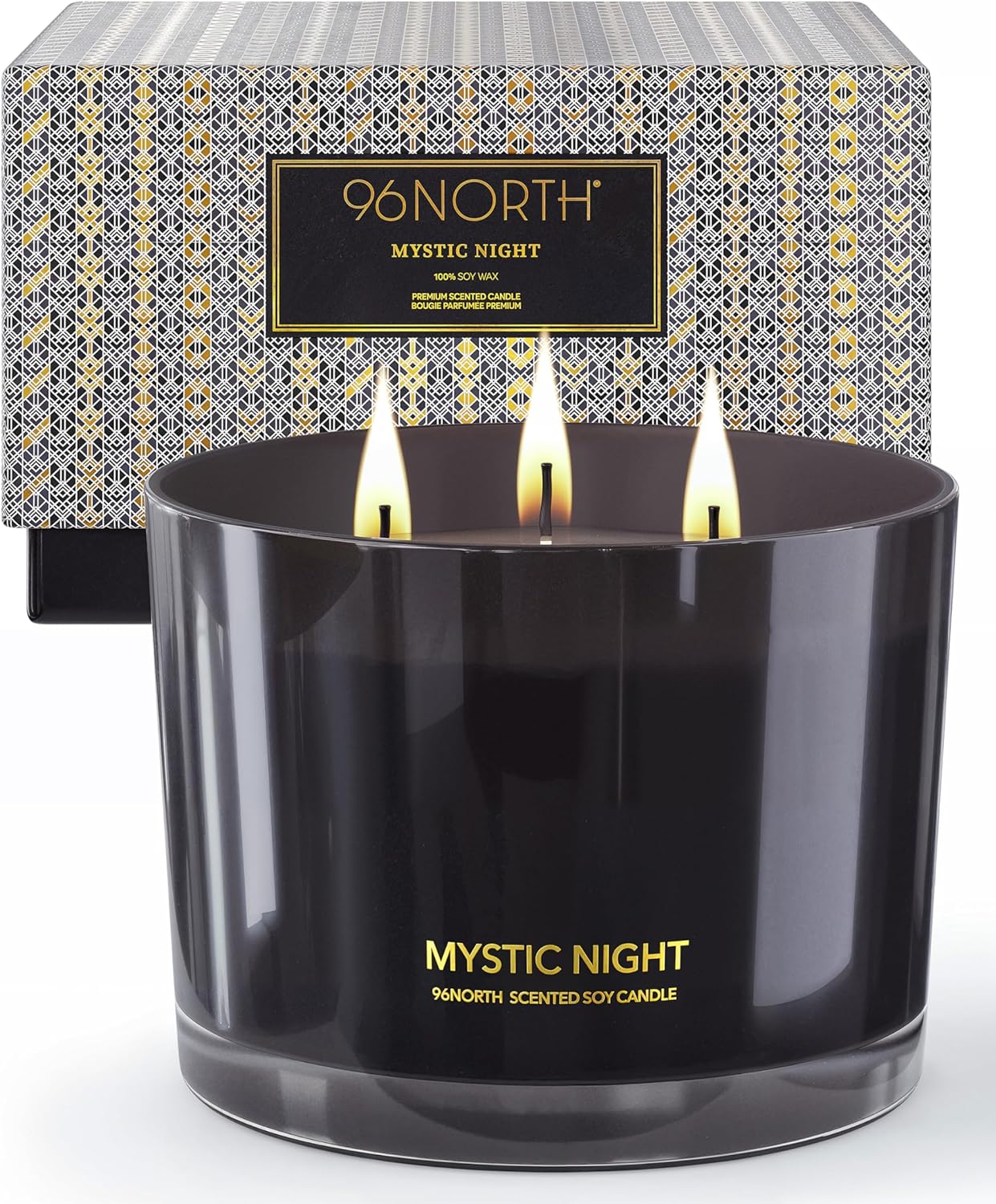
For shoppers who prefer 100% soy wax, lead-free cotton wicks, and phthalate-free fragrance claims, the 96NORTH collection is one option to compare alongside the other brands in this guide.
Frequently Asked Questions
Are essential oils in candles always safe?
No. Natural does not automatically mean suitable for everyone. Some people and animals can be sensitive to particular essential oils or strong fragrance. Follow the product instructions, ventilate the room, and use extra caution around pets or anyone with fragrance sensitivities.
What should I look for when trying to avoid questionable candle ingredients?
Prioritize clear labeling rather than relying on a single universal blacklist. Check the wax composition, wick material, fragrance disclosures, and any claims such as phthalate-free or fragrance-free. If a brand does not provide enough information for your needs, choose one with more detailed ingredient transparency.
Why do some natural-wax candles have a weaker scent?
Scent throw depends on the wax, fragrance load, wick, vessel size, room size, and formulation. Some essential-oil or natural-wax candles are deliberately lighter, while others are designed for stronger room-filling fragrance. A stronger scent is not automatically cleaner or higher quality.