
Scent can help create a consistent work environment, especially when the same fragrance is used only during focused tasks. Essential oils do not treat attention disorders or guarantee better concentration, but some people find fresh, herbal, citrus, or mint scents useful while working or studying.
The options below include pure essential oils, blended oils, and one soy candle. Compare the fragrance profile, application method, room size, dilution requirements, and household safety before choosing a product.
1. 96NORTH Roasted Coffee Candle

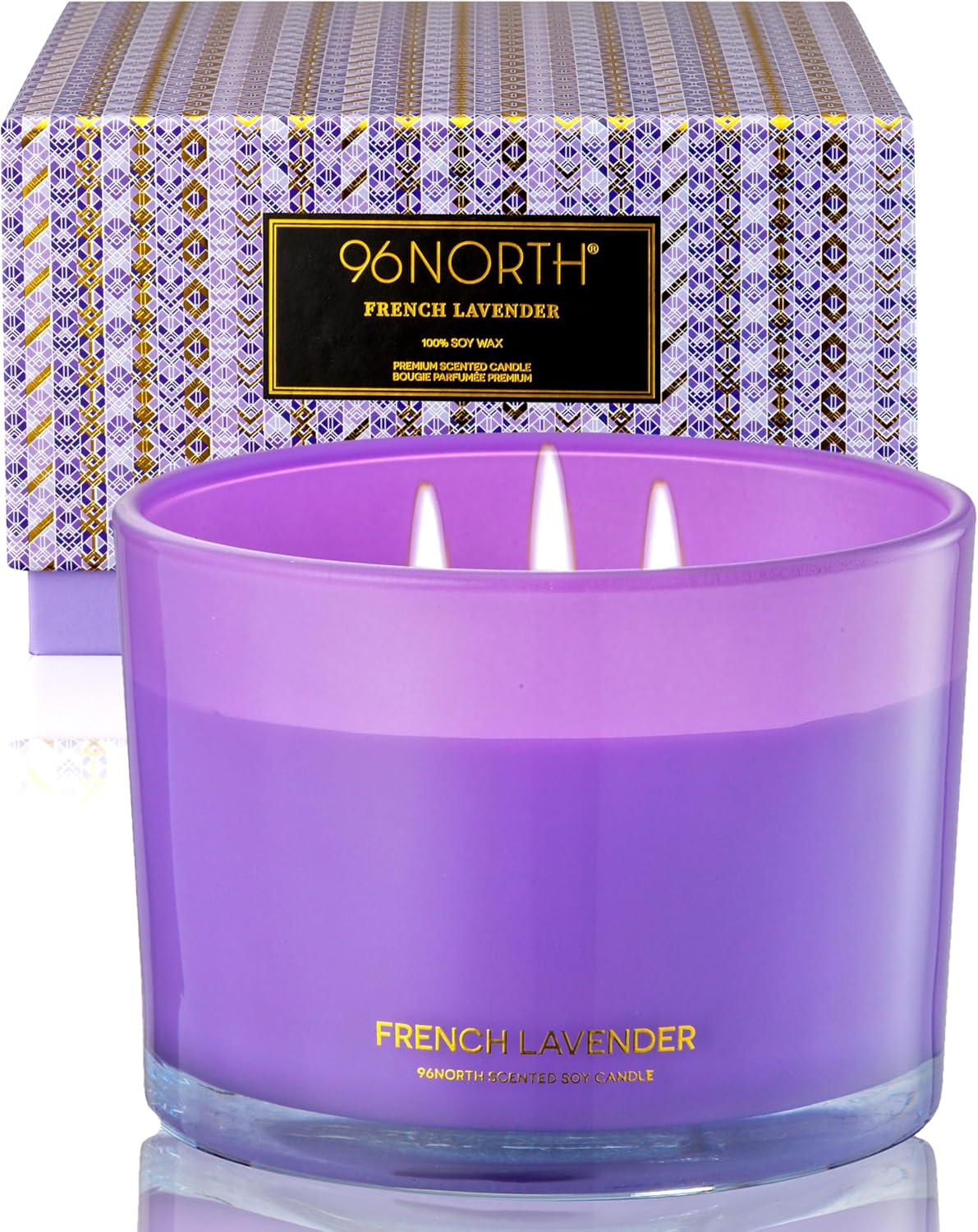
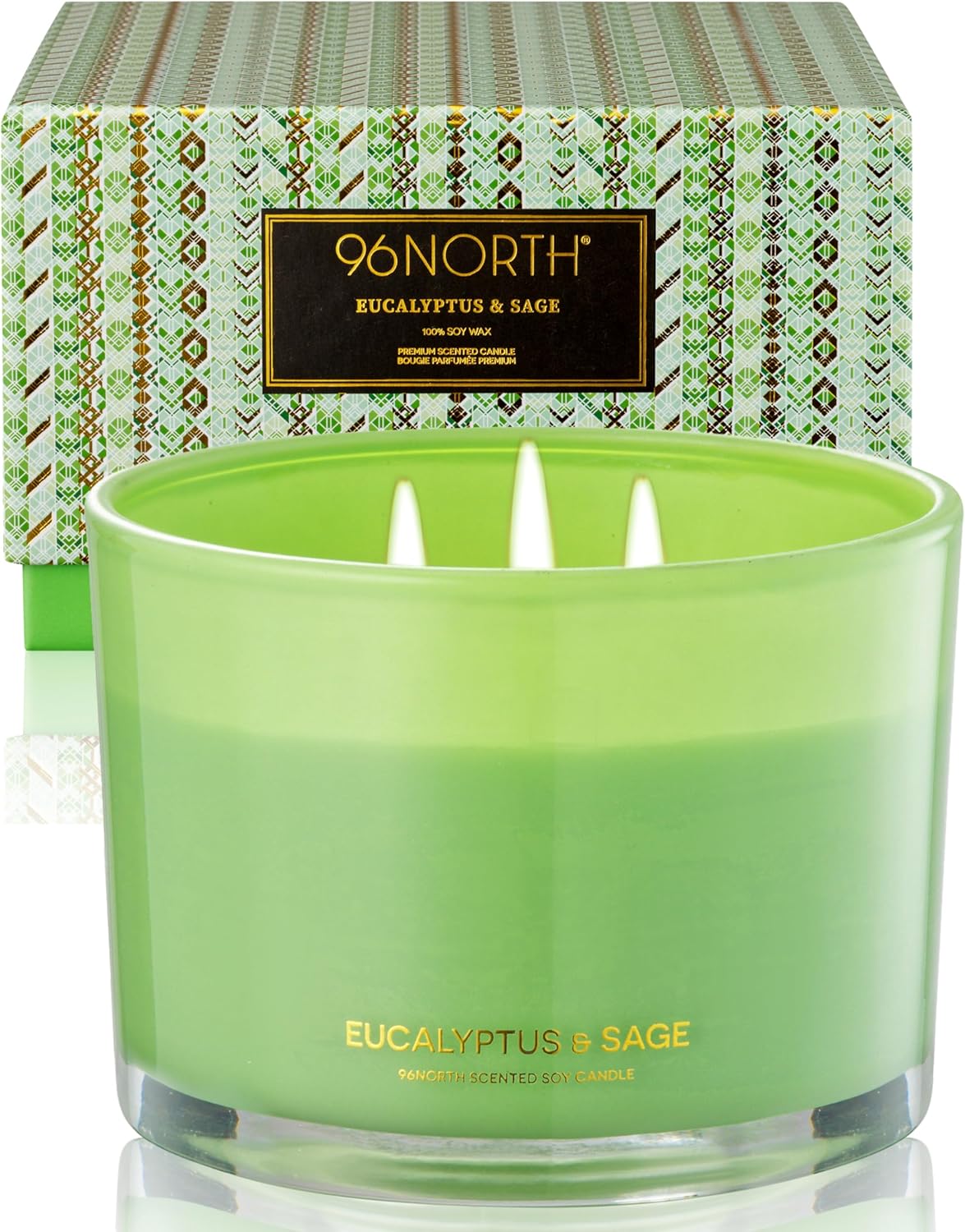
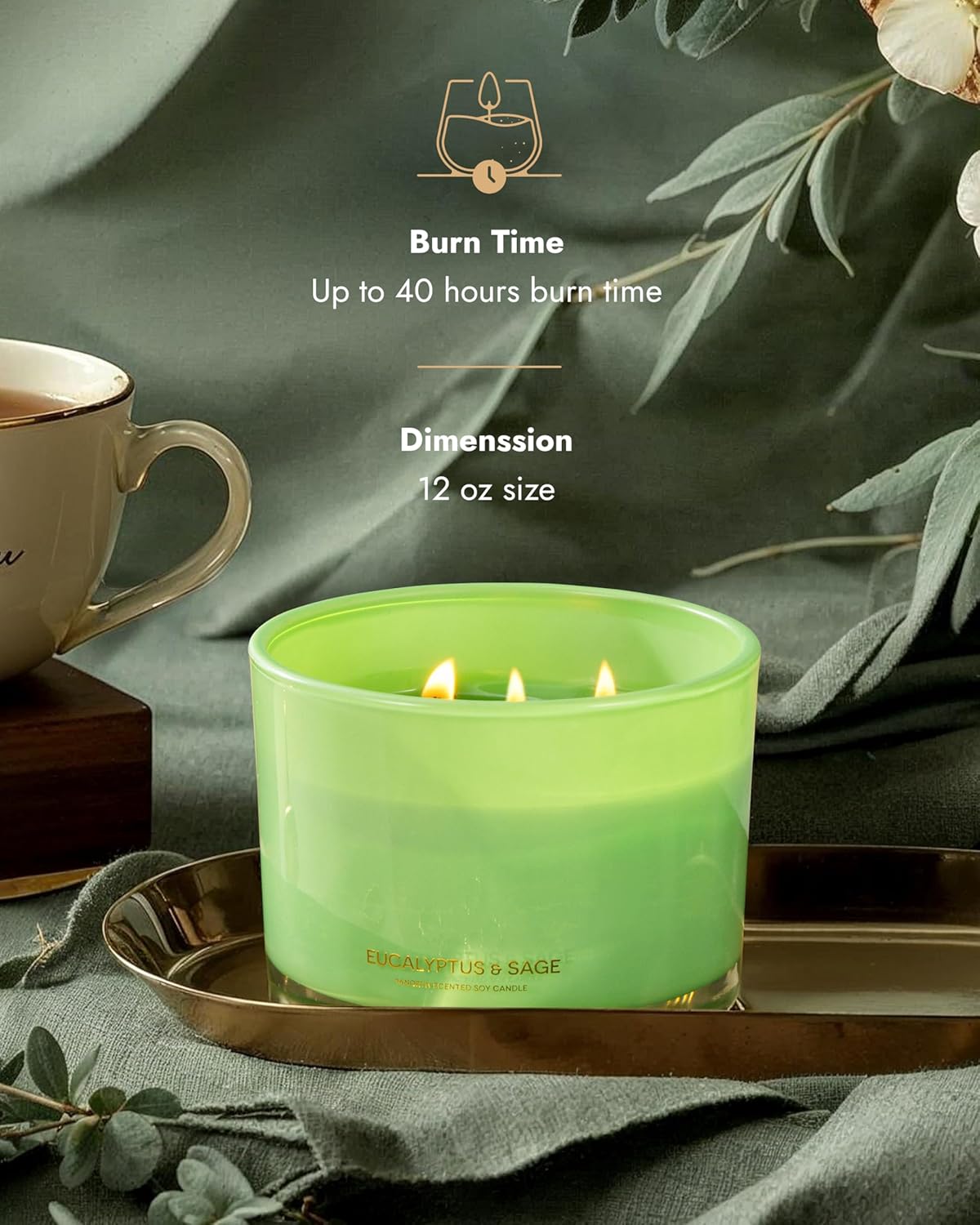
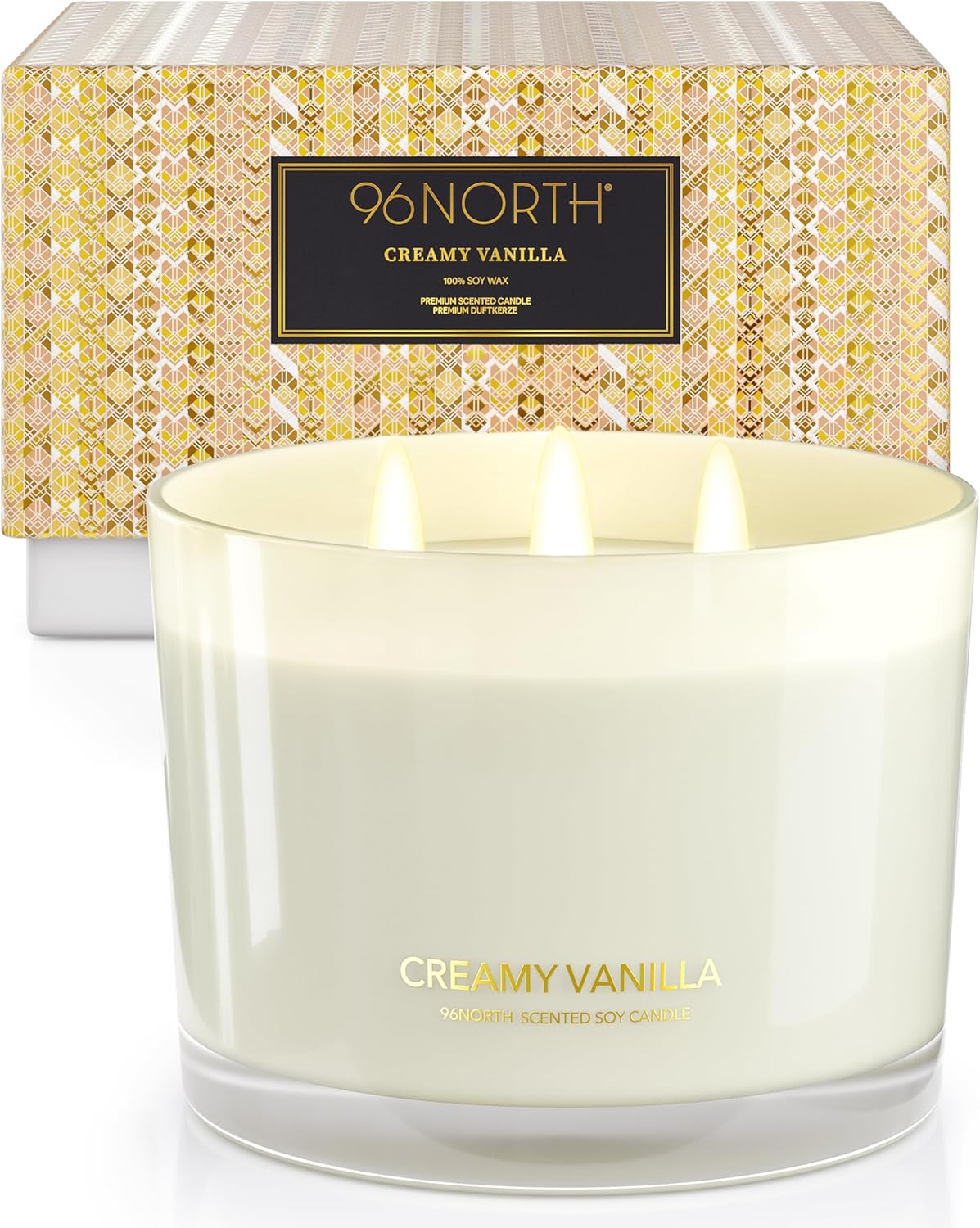
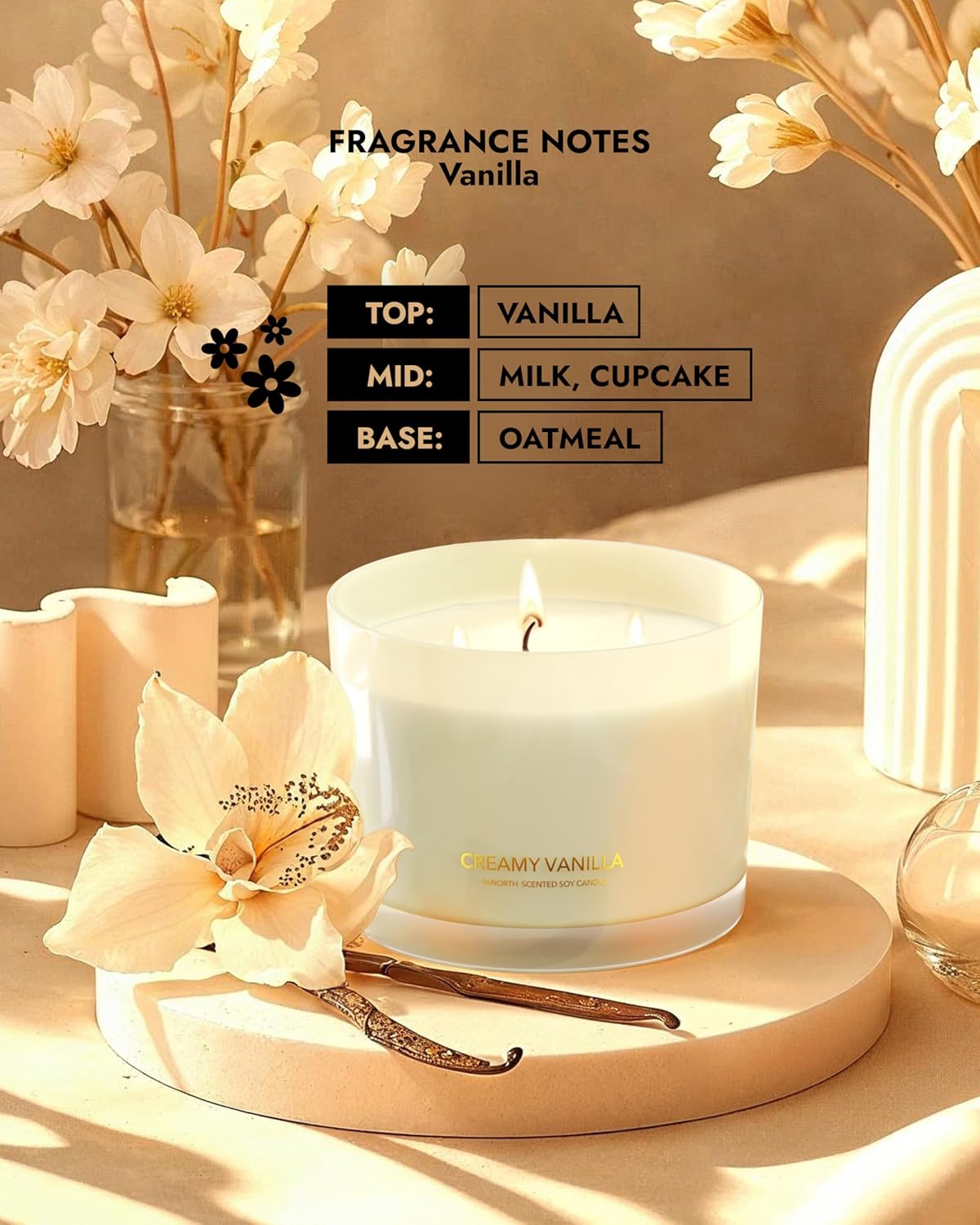
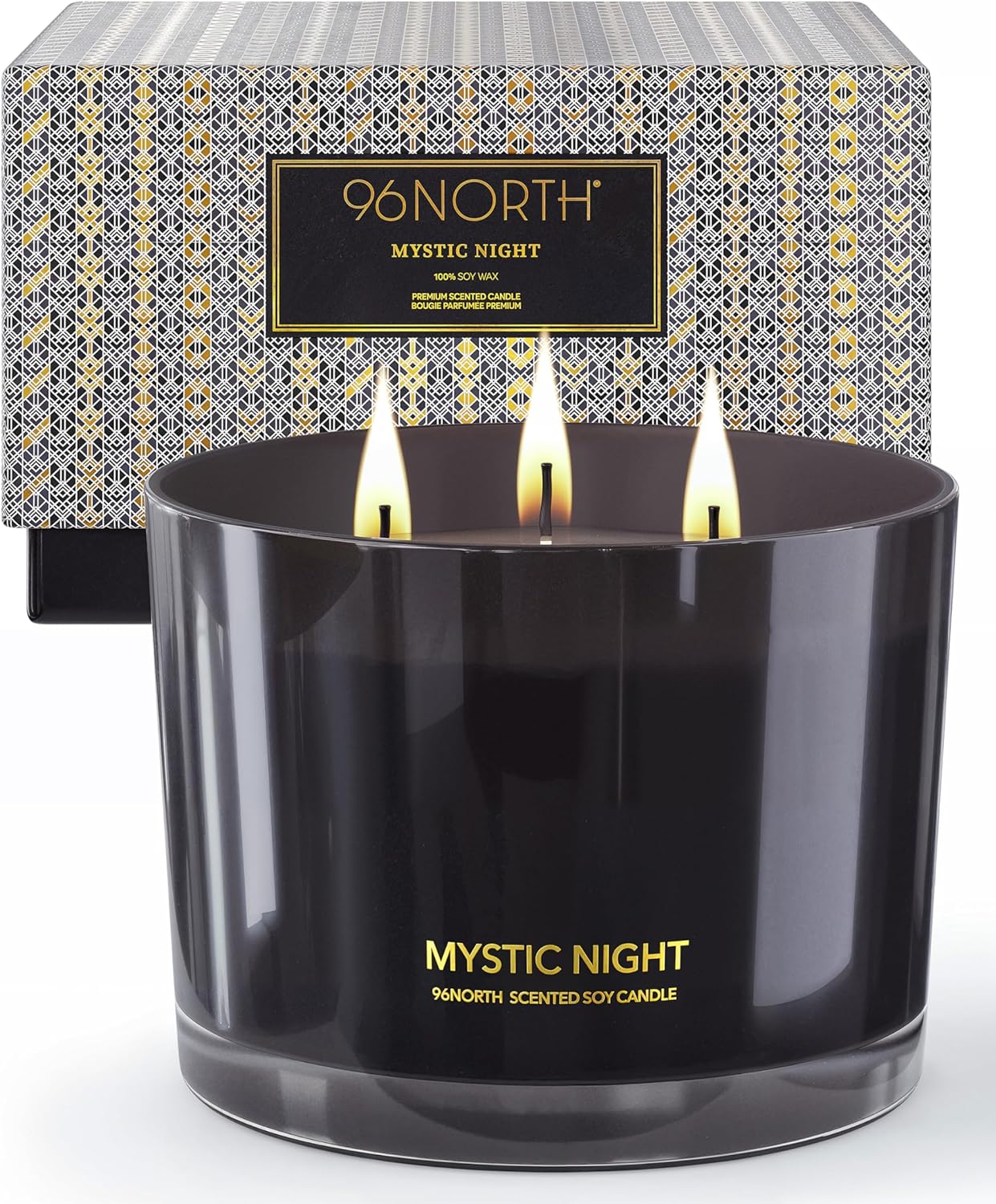
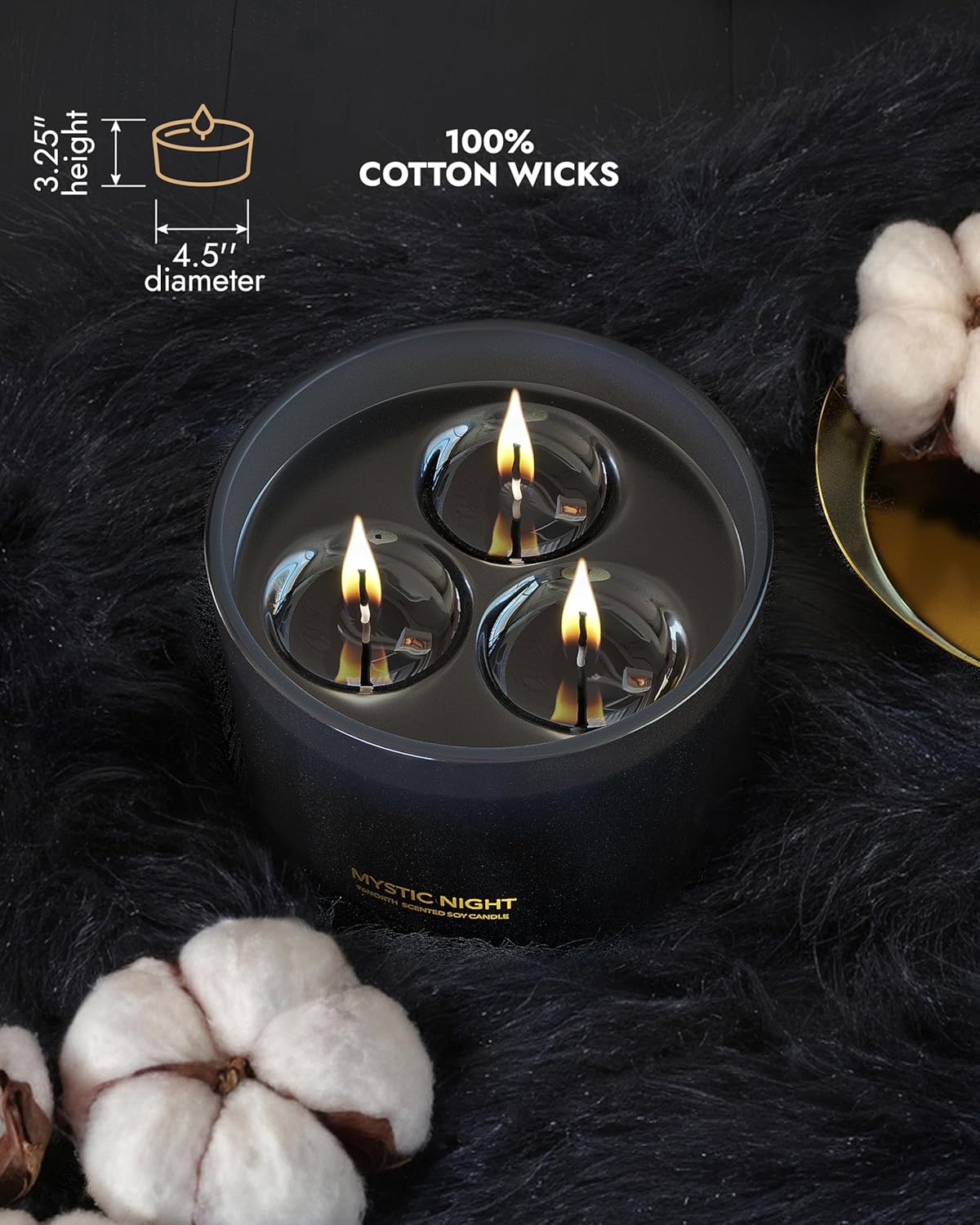
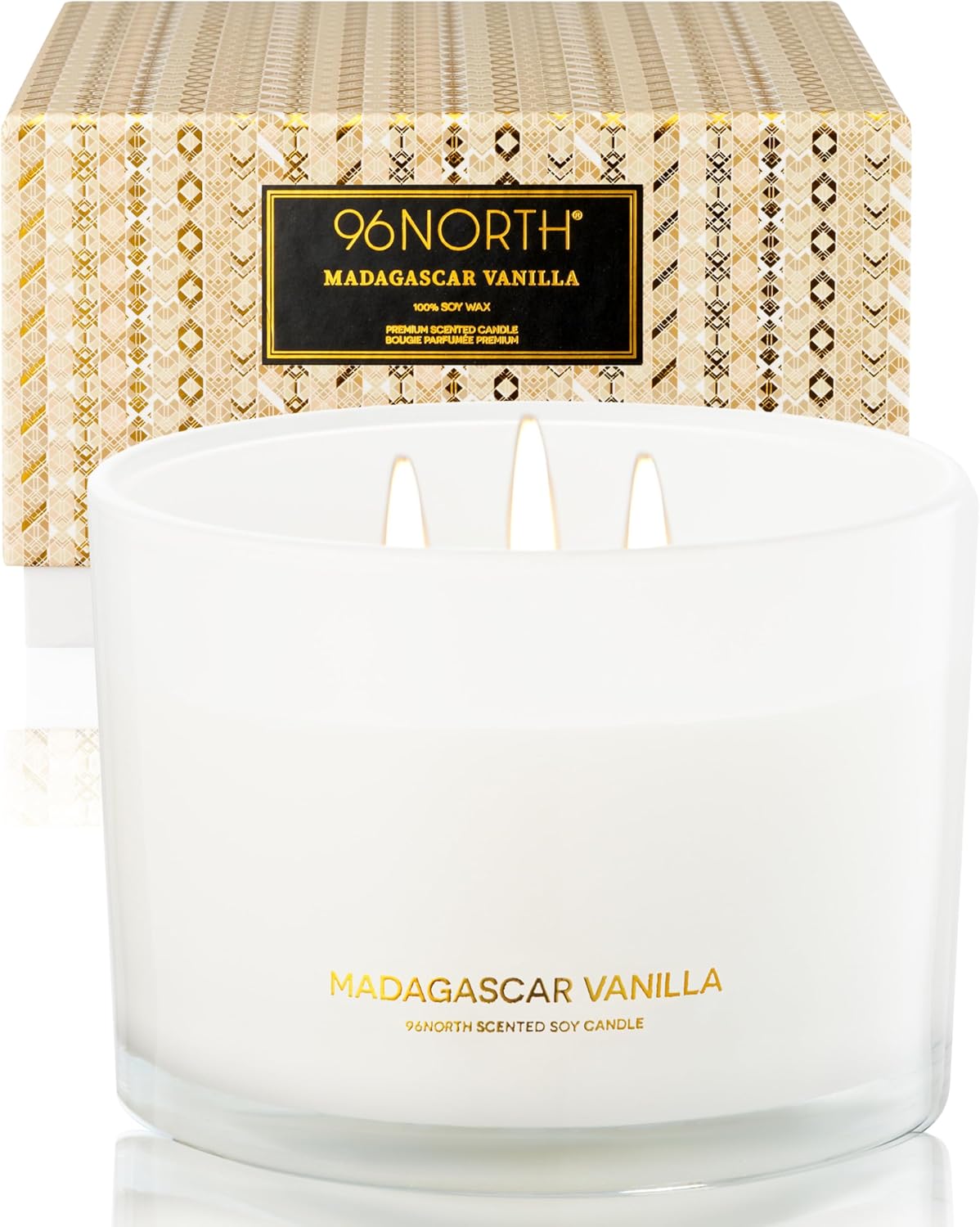
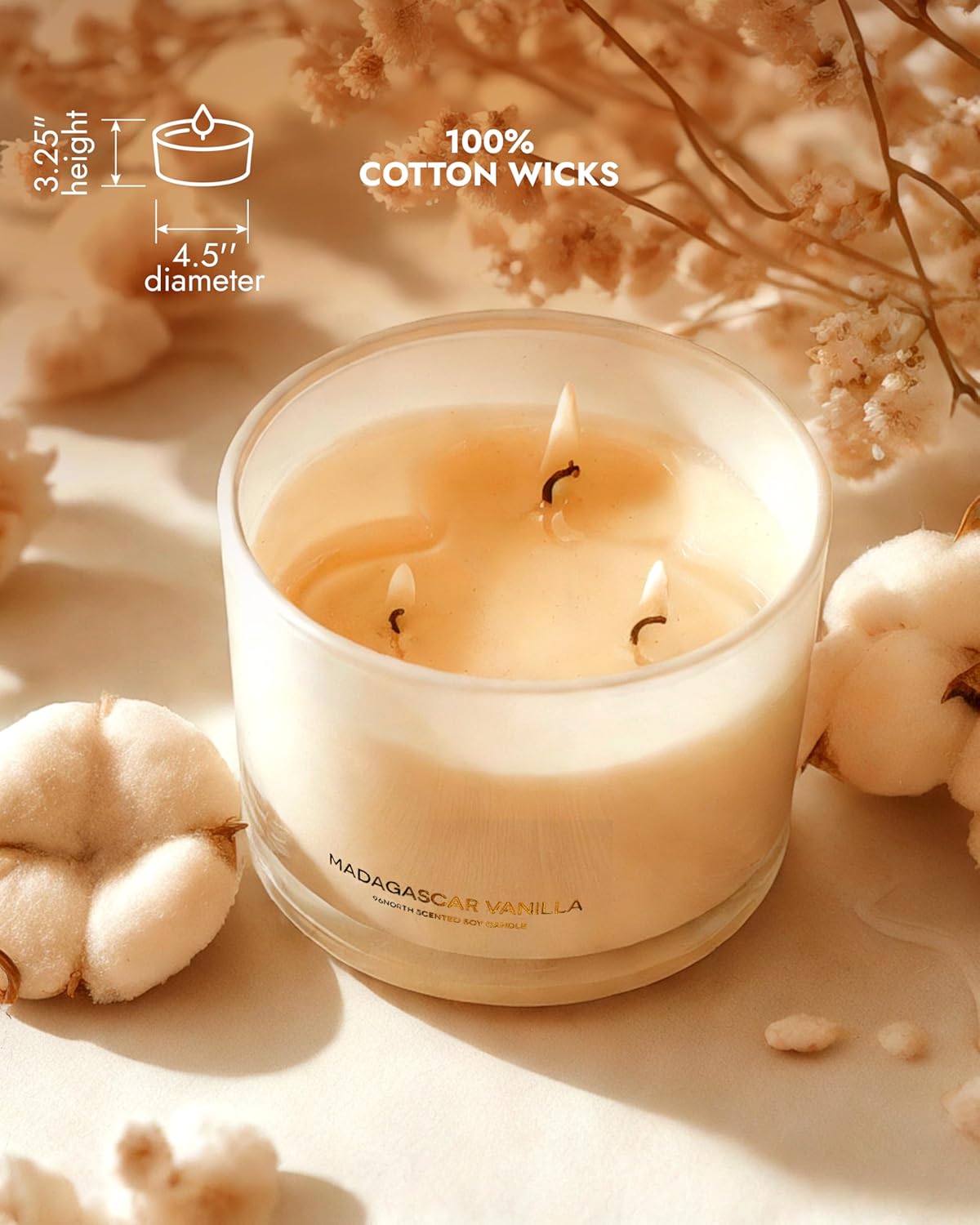
The 96NORTH Roasted Coffee Candle uses 100% natural soy wax and three lead-free cotton wicks. Its roasted coffee fragrance provides a familiar cafe-style scent for home offices and other work areas, while the gold foil glass vessel gives it a polished appearance.
• 100% natural soy wax.
• Three lead-free cotton wicks.
• 50+ hour burn time.
• Roasted coffee fragrance profile.
• Glass vessel with gold foil details.
Pros:
• Three-wick design creates a wide melt pool and strong scent throw.
• Works well in medium and large workspaces.
• Provides fragrance without topical application or a diffuser.
Cons:
• The fragrance may be too strong for a small or poorly ventilated room.
• An open flame requires supervision and is unsuitable for some workspaces.
Best For: Home offices and people who enjoy roasted coffee scents while working.
2. Plant Therapy Brain Aid Synergy Blend
Plant Therapy Brain Aid is a blended essential oil product with mint, herbal, and citrus notes. It is available in undiluted and roll-on formats, allowing users to choose between diffusion and a pre-diluted topical option.
• Includes peppermint, rosemary, basil, and citrus oils.
• Available as an undiluted blend or roll-on.
• GC/MS batch testing information is available from the brand.
Pros:
• Fresh scent profile suits short work sessions and afternoon use.
• Multiple formats provide flexible application options.
• Pre-blended formula removes the need to combine several oils.
Cons:
• Strong mint notes may not suit every user.
• The undiluted version requires proper dilution before topical use.
Best For: People who prefer a ready-made mint, herb, and citrus blend.
3. Edens Garden Focus, Focus, Focus Blend
Edens Garden Focus, Focus, Focus combines bergamot, patchouli, and grapefruit. The blend balances citrus and earthy notes and can be used in a diffuser or diluted for topical use according to the product instructions.
• Bergamot, patchouli, and grapefruit blend.
• 100% pure essential oil formula.
• Made without synthetic fragrance.
Pros:
• Balanced citrus and earthy fragrance.
• More affordable than many premium oil blends.
• Suitable for users who find sharp mint scents too strong.
Cons:
• Patchouli may be too earthy for some preferences.
• Scent strength and character can vary slightly between batches.
Best For: Work sessions that call for a softer citrus and patchouli fragrance.
4. Peppermint Essential Oil
Peppermint essential oil has a sharp, cooling aroma that many people use when they want a fresh scent during work or study. It can be diffused in small amounts or diluted with a suitable carrier oil for topical use.
• Strong mint fragrance.
• High menthol content.
• Widely available as a single essential oil.
Pros:
• Noticeable scent with only a small amount of oil.
• Blends well with rosemary, lemon, and grapefruit.
• Easy to find across a range of price points.
Cons:
• Undiluted oil can irritate the skin and eyes.
• Use requires extra caution around young children and pets.
Best For: Short work sessions and users who prefer a strong mint aroma.
5. Rosemary Essential Oil
Rosemary essential oil has a woody, herbal aroma that works well on its own or in blends with citrus and mint oils. It is commonly used in home-office diffusers because the scent is fresh without being sweet.
• Herbal and woody fragrance profile.
• Contains naturally occurring 1,8-cineole.
• Blends well with citrus and mint oils.
Pros:
• Less sweet than many citrus-based oils.
• Useful as a single oil or part of a custom blend.
• A small amount can scent a room effectively.
Cons:
• Can become overpowering when too many drops are used.
• Must be diluted before topical application.
Best For: Studying, reading, and users who prefer herbal fragrances.
6. Lemon Essential Oil
Lemon essential oil has a bright citrus scent that suits kitchens, home offices, and daytime work areas. It is commonly cold-pressed from lemon peel and can be diffused alone or blended with rosemary, peppermint, or eucalyptus.
• Cold-pressed citrus oil.
• Bright lemon fragrance.
• High limonene content.
Pros:
• Affordable and widely available.
• Fresh scent works well in daytime spaces.
• Blends easily with herbal and mint oils.
Cons:
• The fragrance fades faster than many woody oils.
• Some cold-pressed lemon oils can increase sun sensitivity when used topically.
Best For: Morning work sessions and users who enjoy clean citrus scents.
7. Eucalyptus Essential Oil
Eucalyptus essential oil has a strong camphorous fragrance often used in diffusers and shower products. Its sharp scent works best in a well-ventilated room and usually requires fewer drops than softer citrus oils.
• Strong camphorous fragrance.
• Commonly available as eucalyptus globulus.
• Blends well with peppermint and lemon.
Pros:
• Strong scent can cover a larger room.
• Fresh fragrance suits workspaces and bathrooms.
• A small amount is usually sufficient.
Cons:
• The medicinal scent may not suit every user.
• Can be harmful to pets and requires caution around young children.
Best For: Well-ventilated workspaces and users who prefer sharp herbal scents.
8. Sweet Orange Essential Oil
Sweet orange essential oil has a warm citrus scent that is softer than lemon or grapefruit. It can be used alone in a diffuser or blended with cinnamon, clove, cedarwood, or other complementary oils.
• Warm citrus fragrance.
• Usually cold-pressed from orange peel.
• Blends well with woody and spice oils.
Pros:
• Gentler aroma than peppermint or eucalyptus.
• Affordable and widely available.
• Useful in custom daytime fragrance blends.
Cons:
• Less noticeable in large rooms unless blended or diffused at a suitable level.
• The fragrance can fade relatively quickly.
Best For: Longer work sessions and households that prefer a softer citrus scent.
9. Grapefruit Essential Oil
Grapefruit essential oil has a tart citrus aroma with a slightly bitter edge. It offers a sharper alternative to sweet orange and can be blended with rosemary, peppermint, cedarwood, or other citrus oils.
• Tart citrus fragrance.
• Usually cold-pressed from grapefruit peel.
• Works well in citrus and herbal blends.
Pros:
• Distinctive scent compared with common lemon and orange oils.
• Fresh fragrance suits afternoon use.
• Combines well with several focus-oriented oil blends.
Cons:
• Can cost more than lemon or sweet orange oil.
• Cold-pressed grapefruit oil can increase sun sensitivity when used topically.
Best For: Afternoon work sessions and users who prefer tart citrus fragrances.
10. Bergamot Essential Oil
Bergamot essential oil combines citrus and light floral notes. Its more complex fragrance suits users who want a citrus oil that feels less sharp than lemon or grapefruit and less sweet than orange.
• Citrus and floral fragrance profile.
• Commonly cold-pressed from bergamot peel.
• Blends well with lavender, cedarwood, and other citrus oils.
Pros:
• More complex scent than many single-note citrus oils.
• Works well alone or in custom blends.
• Suitable for home offices that need a lighter fragrance.
Cons:
• Often more expensive than lemon or sweet orange oil.
• Cold-pressed bergamot is highly photosensitizing when applied to skin.
Best For: Users who prefer a softer citrus scent with light floral notes.
Buying Guide: How to Choose Essential Oils for Focus
Choose the fragrance profile first. Peppermint and eucalyptus are sharp and noticeable. Rosemary is herbal, while lemon, sweet orange, grapefruit, and bergamot provide different types of citrus scent. Blended products may offer a more balanced fragrance without requiring you to combine oils yourself.
Check Purity and Product Format
Look for a clear ingredient list, botanical names, batch or testing information, and instructions for diffusion or topical use. Pure essential oils must usually be diluted before skin application. Roll-ons are often sold pre-diluted, while candles provide fragrance without direct skin contact.
Match the Scent to the Room
A strong oil such as peppermint or eucalyptus can overwhelm a small room. Start with fewer drops and increase only when needed. Larger rooms may require a longer diffusion period or a product with a wider scent throw, such as a multi-wick candle.
Use Essential Oils Safely
Keep oils away from the eyes, do not swallow them, and follow the brand instructions. Use extra caution around children, pregnant people, pets, and anyone with asthma or fragrance sensitivity. Diffuse in a ventilated room and allow people and animals to leave the space.
Frequently Asked Questions
Can essential oils replace medication for ADHD or other focus problems?
No. Essential oils and scented products do not replace medical treatment, medication, therapy, sleep, or other evidence-based support. They can only be used as an optional environmental preference while working or studying.
Are essential oils safe around children and pets?
Not all oils are suitable for children or animals. Peppermint, eucalyptus, and several citrus oils require particular care. Check guidance for the exact oil and species, use small amounts in a ventilated area, and speak with a qualified clinician or veterinarian when unsure.
What is the best way to use essential oils while working?
Use a diffuser for short intervals according to its instructions, choose a pre-diluted roll-on for personal use, or use a candle only while you are awake and present. Start with a low fragrance level so the scent does not become distracting or cause irritation.
Conclusion: Choosing a Focus Fragrance
The best option depends on the scent you enjoy, how you plan to use it, the size of the room, and who shares the space. Peppermint and eucalyptus provide sharper fragrances, rosemary offers an herbal profile, and citrus oils range from bright lemon to softer bergamot. The 96NORTH Roasted Coffee Candle is a non-topical option for users who prefer a coffee fragrance and three-wick format.