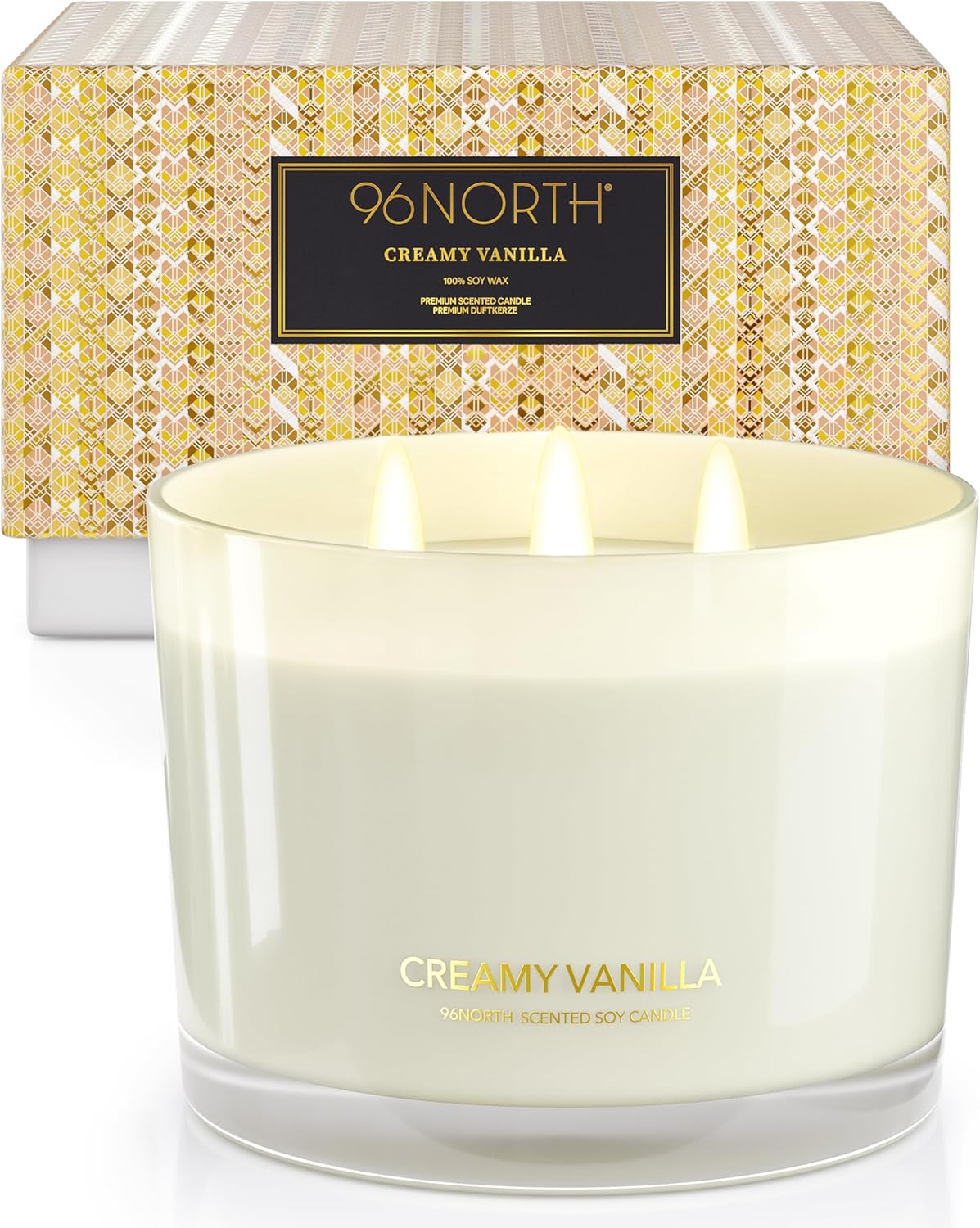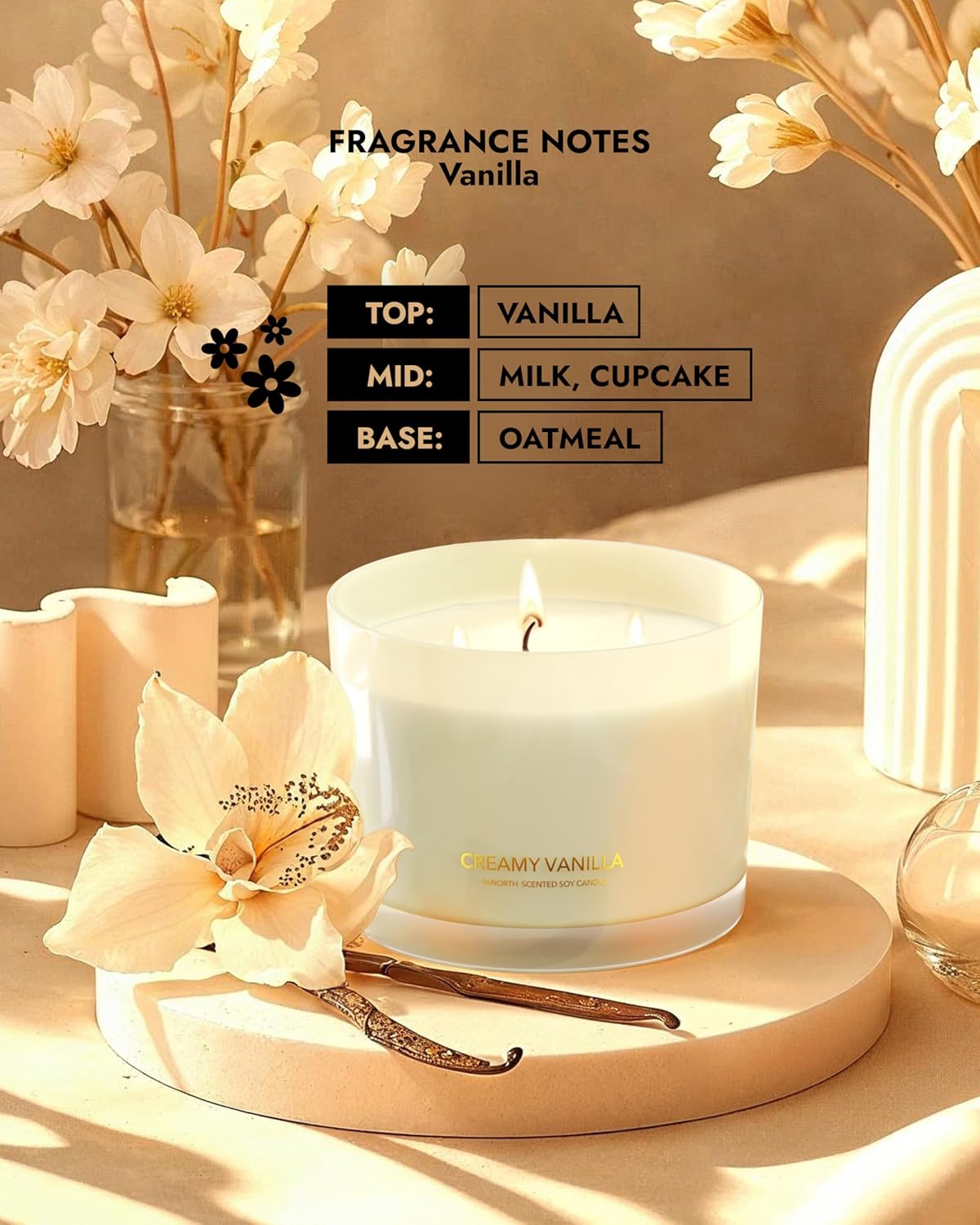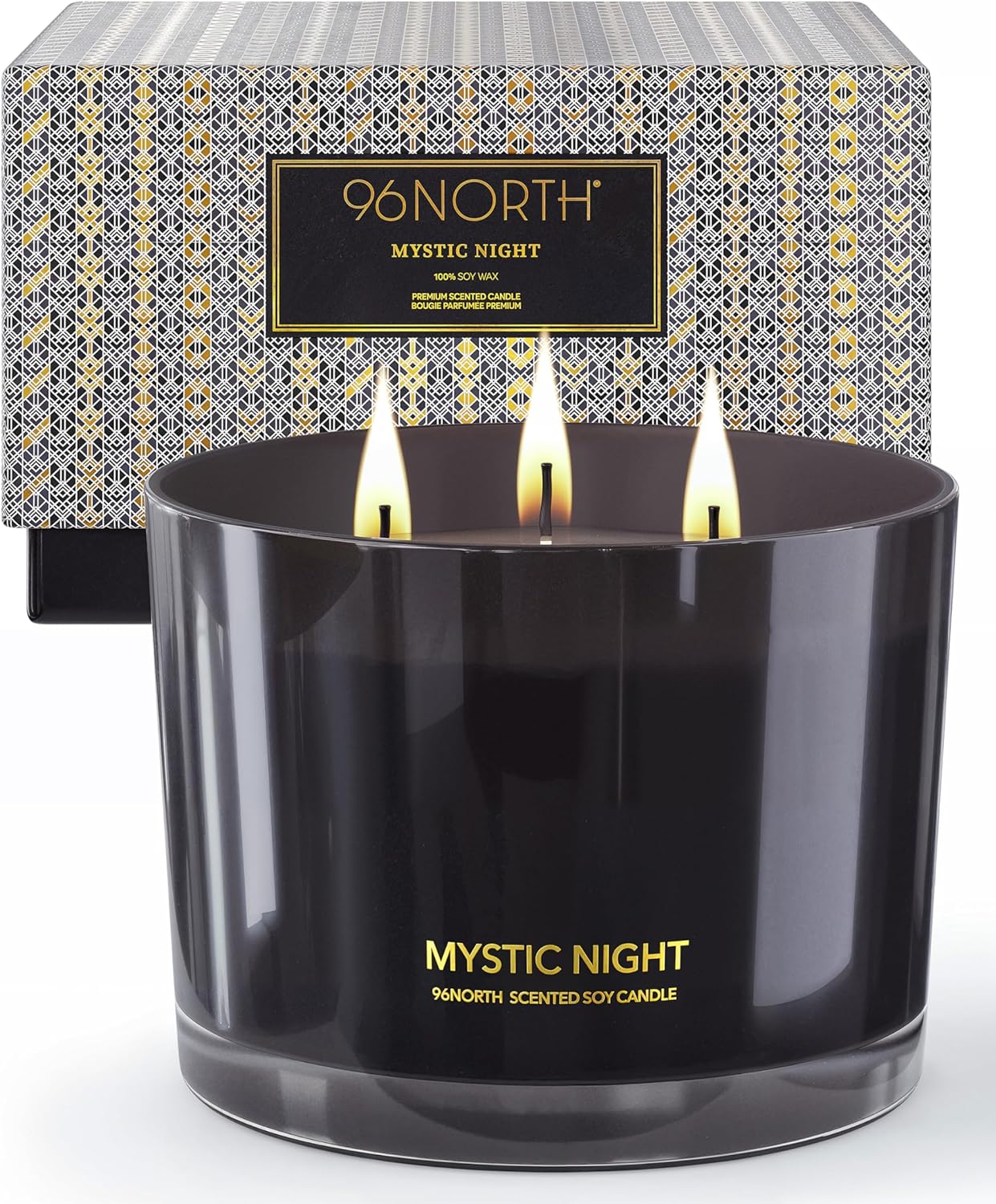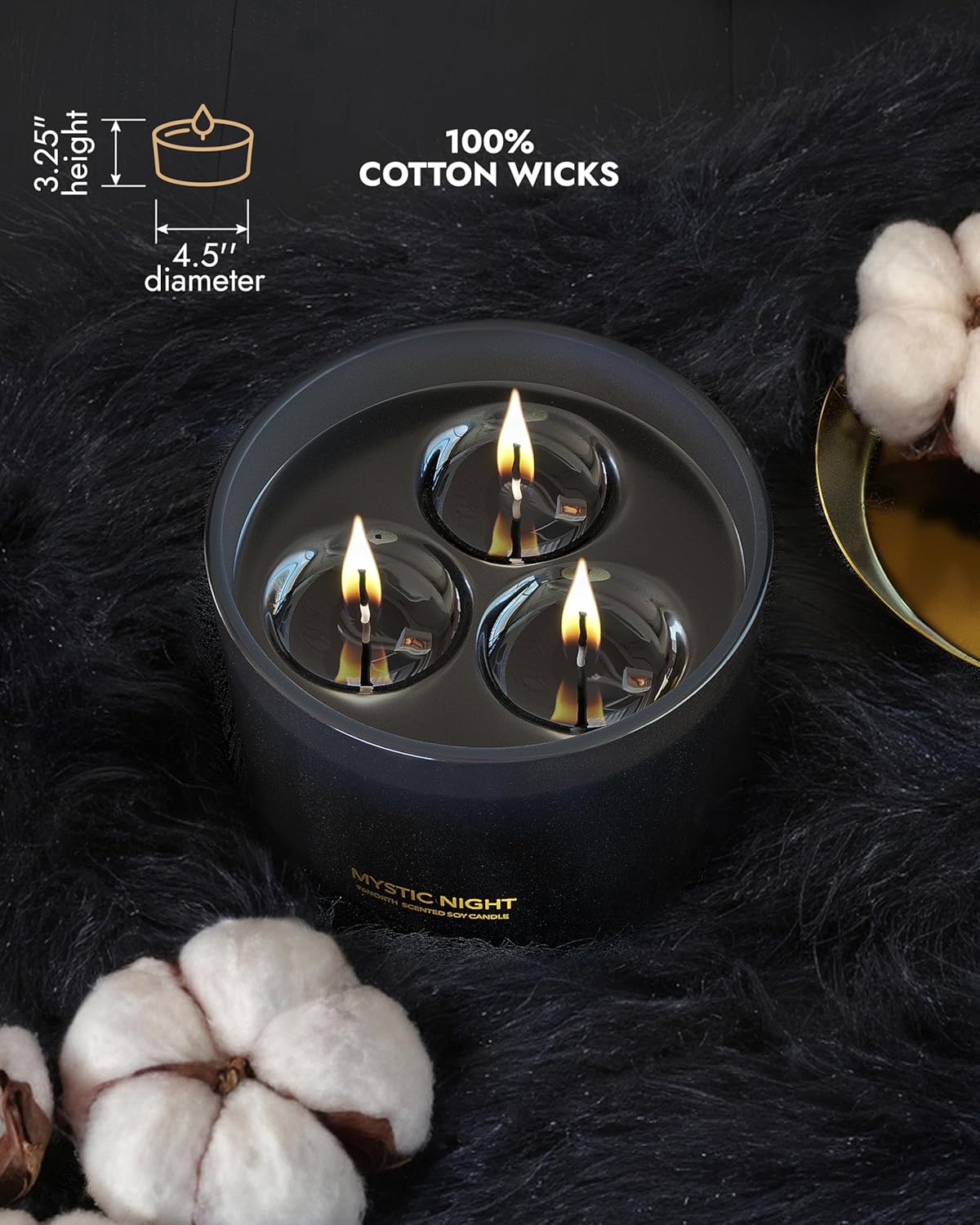

Coconut candles can bring a warm, beach-inspired feel to a room, whether you prefer a creamy gourmand profile or something fresher with citrus, palm, or vanilla notes. The best coconut candles are not defined by wellness claims, but by how well the fragrance, wax blend, wick, vessel, and scent strength fit the space where you plan to use them.
This guide compares seven options across different price points and styles. Coconut and coconut-soy waxes can behave differently from one formulation to another, so wax type alone does not guarantee a cleaner burn, longer life, stronger scent throw, or better indoor air quality. Following the maker's burn instructions, trimming the wick, and using a candle in a ventilated space still matter.
1. 96NORTH Tropical Coconut Candle (Featured)

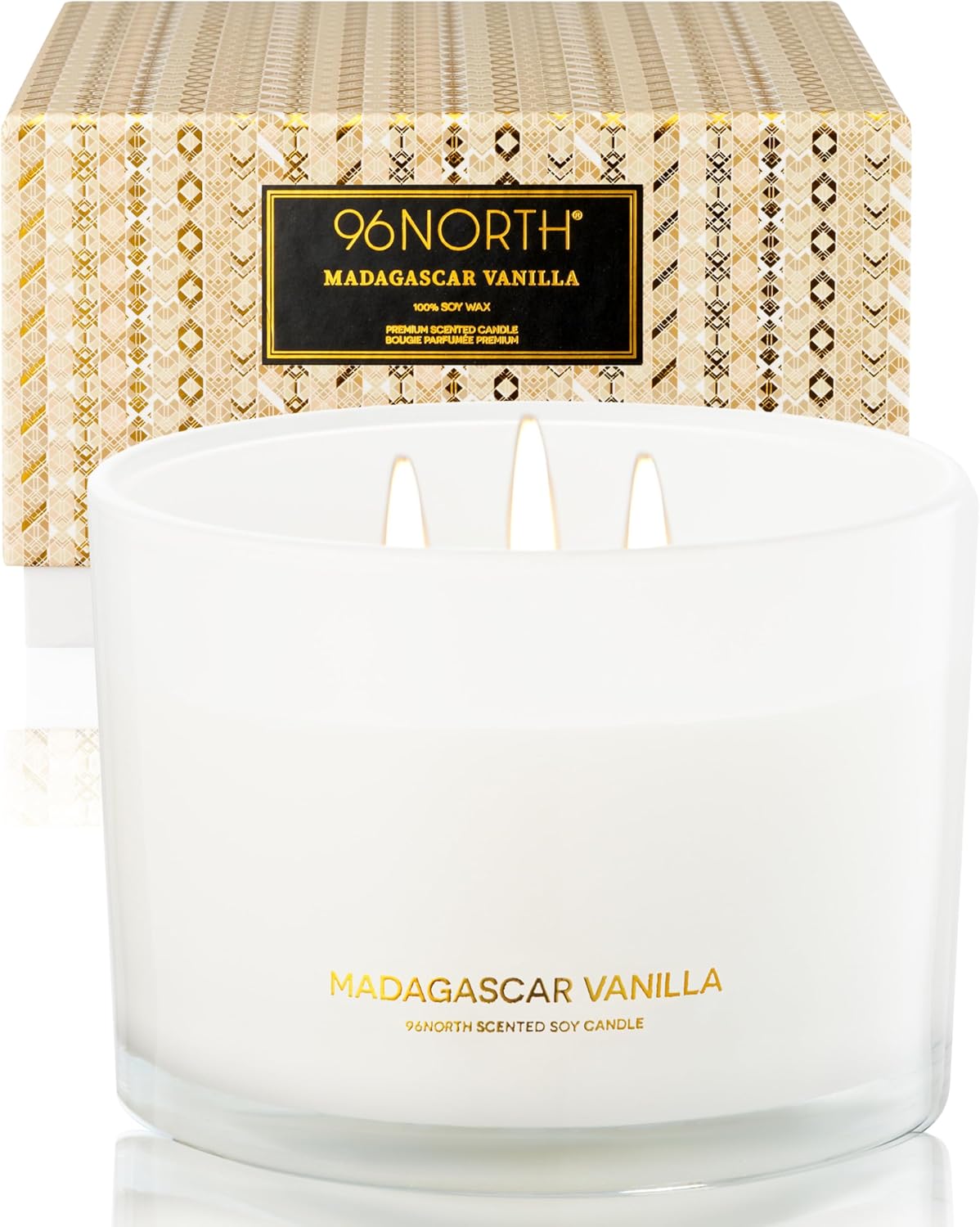
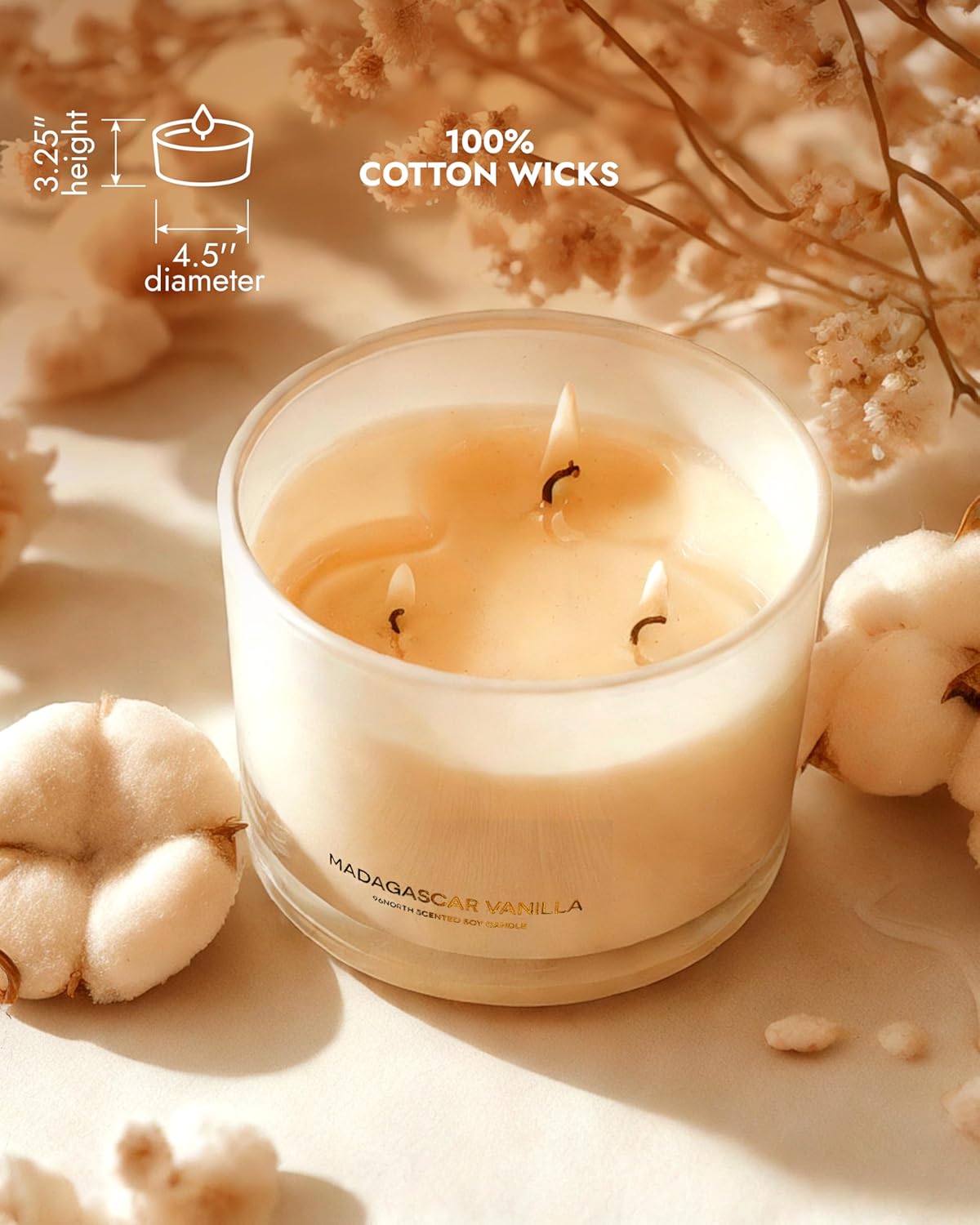
The 96NORTH Tropical Coconut Candle uses a soy and coconut wax blend with lead-free cotton wicks and a three-wick format. Its fragrance centers on creamy coconut rather than a sharp or heavily sugary tropical profile, while the wide vessel and three wicks are designed to create a broad melt pool and noticeable scent presence.
The monochromatic glass vessel with gold foil accents gives it a polished look that suits bedrooms, living rooms, and other spaces where the candle will remain on display. The brand states a 50+ hour burn time and a phthalate-free fragrance claim.
Key Features:
• Soy and coconut wax blend.
• Lead-free cotton wicks.
• Three-wick design.
• 50+ hour stated burn time.
• Phthalate-free fragrance claim.
Pros:
• Creamy coconut profile for shoppers who want a tropical gourmand scent.
• Three-wick format provides a broad melt pool and noticeable fragrance presence.
• Premium-looking glass vessel with gold foil accents.
Cons:
• A three-wick candle can feel strong in a small room.
• Availability may vary by retailer and region.
Best For: Shoppers who want a decorative three-wick coconut candle with a creamy, room-filling profile.
2. Voluspa Coconut Tahitian Vanilla

Voluspa's Coconut Tahitian Vanilla pairs coconut with vanilla bean in a proprietary coconut wax blend. The profile is richer and sweeter than a straight coconut scent, while the embossed glass vessel gives the candle a decorative, gift-ready presentation.
The source positions this as a premium option with a long burn and strong hot throw. Its softer wax can be more sensitive to warm conditions, so storage away from excessive heat may be useful.
Key Features:
• Proprietary coconut wax blend.
• Coconut and vanilla fragrance profile.
• Embossed decorative glass vessel.
• Hand-poured in the USA, according to the source material.
Pros:
• Rich coconut-vanilla fragrance.
• Strong scent presence for shoppers who prefer noticeable fragrance.
• Decorative vessel can be repurposed after use.
Cons:
• Premium price point compared with many mass-market candles.
• Soft wax may be more sensitive to warmer storage conditions.
Best For: Shoppers who want a sweeter coconut-vanilla fragrance and decorative luxury-style packaging.
3. LA JOLIE MUSE Maelyn Island Coconut
LA JOLIE MUSE Maelyn Island Coconut uses a vegan soy and coconut wax blend in a decorative ceramic vessel. The source describes the scent as a lighter, more polished take on coconut rather than an overtly sugary tropical fragrance.
The ceramic jar and wood-inspired lid make presentation a major part of the appeal, particularly for gifting or for shoppers who like candles that double as decor.
Key Features:
• Vegan soy and coconut wax blend.
• Paraben-free claim.
• Cruelty-free positioning.
• Decorative ceramic vessel with a wood-inspired lid.
Pros:
• Gift-friendly presentation.
• Lighter coconut profile for shoppers who do not want an intensely sweet scent.
• Decorative vessel can remain useful after the candle is finished.
Cons:
• Higher price point than many basic mass-market candles.
• Single-wick design may feel subtle in very large rooms.
Best For: Gift buyers and shoppers who prioritize decorative packaging and a lighter coconut fragrance.
4. Nest New York Coconut & Palm

Nest New York Coconut & Palm blends crushed coconut with bergamot and palm leaf notes. It uses a paraffin and soy wax blend rather than a coconut-wax base, making the fragrance profile, vessel design, and scent performance the main reasons to compare it with the coconut-wax options in this list.
The striped glass vessel and strong fragrance presence give it a classic premium-home-fragrance feel. Shoppers who prefer to avoid paraffin blends may want to compare the wax composition with other options before buying.
Key Features:
• Coconut, bergamot, and palm leaf fragrance profile.
• Paraffin and soy wax blend.
• Signature striped glass vessel.
• Premium fragrance-oil positioning.
Pros:
• Strong scent presence.
• Layered tropical fragrance rather than a single-note coconut scent.
• Recognizable presentation for gifting.
Cons:
• Uses a paraffin and soy blend rather than coconut wax.
• Premium price point for a standard-size candle.
Best For: Shoppers who prioritize a strong, layered tropical fragrance and premium presentation over a coconut-wax formula.
5. Phoenix Crafted Coconut-Soy Blend
Phoenix Crafted takes a small-batch approach with a coconut-soy wax blend, lead-free cotton wicks, and phthalate-free fragrance claims. The source describes the scent throw as more subtle, which can suit desks, bedrooms, and smaller home-office spaces where a very strong fragrance may be distracting.
The minimalist labeling keeps the presentation simple, while the brand emphasizes sustainability and ingredient transparency in its positioning.
Key Features:
• Coconut-soy wax blend.
• Small-batch, hand-poured positioning.
• Lead-free cotton wicks.
• Phthalate-free fragrance claim.
• Minimalist labeling.
Pros:
• Subtle scent presence can work well in smaller rooms.
• Simple presentation suits workspaces and minimalist interiors.
• Handcrafted positioning at a more accessible price than many luxury brands.
Cons:
• More limited availability than major national brands.
• Scent throw may be too light for large open spaces.
Best For: Small rooms and home offices where a lower-intensity coconut fragrance is preferred.
6. Goose Creek Soothing Coconut
Goose Creek Soothing Coconut is positioned as a budget-friendly, high-fragrance option. Its three-wick design and 14.5-ounce jar are intended to create a fast melt pool and a strong scent presence, making it a different proposition from the softer, boutique-style options above.
The straightforward value proposition is the main appeal: a large format, noticeable coconut fragrance, and accessible pricing. Shoppers who are sensitive to strong fragrance may prefer a smaller or lighter option.
Key Features:
• Three-wick design.
• 14.5-ounce jar, according to the source material.
• High fragrance-load positioning.
• Lead-free wick claim.
Pros:
• Budget-friendly price point.
• Strong scent presence for larger rooms.
• Seasonal coconut variations may offer more choice.
Cons:
• Strong fragrance can feel overwhelming in smaller rooms.
• Three-wick formats can use wax faster than smaller single-wick candles, depending on burn conditions.
Best For: Budget-conscious shoppers who want a strong coconut scent and a larger three-wick format.
7. Yankee Candle Coconut Beach
Yankee Candle Coconut Beach offers a familiar beach-style coconut fragrance in the brand's classic apothecary jar format. The source identifies a paraffin wax base, natural-fiber wick, and a stated burn time of up to 150 hours for the large jar.
Its appeal is accessibility and familiarity rather than a boutique wax formula. As with any large single-wick jar, allowing enough time for the melt pool to widen during early burns can help reduce tunneling.
Key Features:
• Classic apothecary jar design.
• Paraffin wax base.
• Natural-fiber wick.
• Up to 150 hours stated burn time for the large jar.
• Wide retail availability.
Pros:
• Long stated burn time in the large format.
• Familiar tropical beach fragrance.
• Easy to find through mainstream retailers.
Cons:
• Uses paraffin wax, which some shoppers prefer to avoid.
• Large single-wick jars can tunnel if burn sessions are too short.
Best For: Shoppers who value long burn duration, easy availability, and a familiar beach-style coconut scent.
Coconut Wax: Performance and Buying Considerations
When comparing the best coconut candles, wax type is only one part of the formula. Coconut wax is often used on its own or blended with soy, beeswax, or other waxes. The final burn time, scent throw, melt pool, and soot level depend on the complete formulation, wick, fragrance load, vessel, and how the candle is burned. A coconut-wax label does not automatically make one candle cleaner, longer-lasting, or safer than another.
Sustainability and Performance
Coconut-derived wax is plant-based, but sustainability claims depend on sourcing, processing, packaging, and the other materials in the blend. If environmental impact matters to you, compare the brand's sourcing and packaging information rather than relying on wax type alone.
A lower melting point can influence how soft a coconut-wax blend feels and how quickly it forms a melt pool, but performance varies widely between formulas. Scent throw and tunneling are influenced by wick size, vessel diameter, fragrance load, room conditions, and burn habits as well as the wax.
Choosing a Coconut Scent for Your Space
Coconut works across several fragrance styles. Creamy coconut and vanilla blends tend to feel warm and gourmand, while coconut paired with bergamot, palm, or other fresh notes can feel brighter. For a small bedroom or office, a lighter single-wick candle may be enough. For a larger living area, a stronger formulation or multi-wick format may provide more noticeable fragrance.
Safety and Longevity
Trim the wick according to the manufacturer's instructions, place the candle on a stable heat-resistant surface, keep it away from drafts and flammable materials, and never leave it unattended. If the fragrance becomes uncomfortable or the candle produces unusually heavy smoke, extinguish it and ventilate the room. Wax type does not replace basic candle-care and ventilation practices.
Conclusion
The best coconut candle depends on the kind of tropical atmosphere you want, the size of the room, and how strong you like your home fragrance. 96NORTH offers a creamy three-wick option, Voluspa and Nest lean into premium presentation and layered fragrance, while Goose Creek and Yankee Candle focus more heavily on value and familiarity.
Rather than treating coconut wax as a wellness product, compare the details that affect everyday use: wax blend, wick count, vessel size, scent strength, stated burn time, ingredient disclosures, and price. Those factors make it easier to find a coconut candle that fits your home and fragrance preferences.
Frequently Asked Questions
Are coconut candles worth the higher price point?
Sometimes, but the wax alone does not justify a higher price. Vessel design, fragrance complexity, brand positioning, size, stated burn time, and manufacturing approach all affect cost. Compare the complete product rather than assuming coconut wax will automatically last longer or perform better.
What is the benefit of coconut wax over soy wax?
There is no universal winner. Coconut wax is generally soft and is often used in blends, while soy wax has its own handling and burn characteristics. Scent throw, melt-pool behavior, and burn time depend on the full candle formula and wick design, so two coconut and soy candles can perform very differently.
Are coconut candles safe to burn around pets and children?
No wax type makes a burning candle automatically safe around children or pets. Keep any open flame out of reach, supervise it continuously, ventilate the room, and follow the manufacturer's instructions. Fragrance can also be irritating or unsuitable for some people or animals, so an unscented option or no candle may be preferable when sensitivity is a concern.