
A candle can add warm light and a familiar scent to a yoga or meditation space. Some people use the same fragrance before practice as part of a routine, while others prefer an unscented flame for candle-gazing or a low-intensity scent that stays in the background. The effect is mainly about atmosphere and personal preference rather than changing brain-wave states, regulating emotions, or producing a physiological response.
This guide compares eight candles by fragrance profile, wax type, wick format, burn time, presentation, and how well each option may fit different practice settings. It keeps the useful product information while avoiding unsupported claims about air purification, respiratory health, headache prevention, pet safety, or improved mental performance.
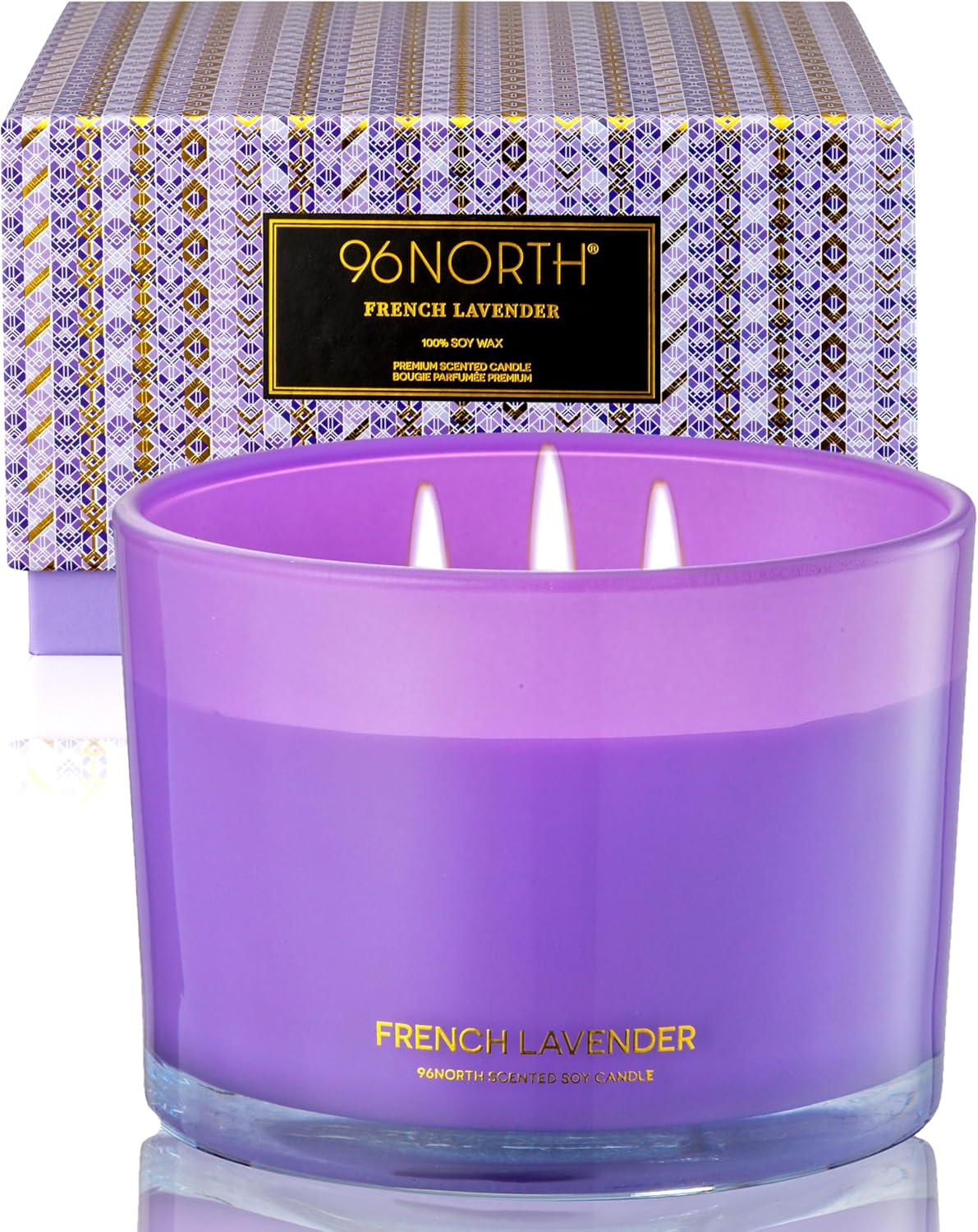
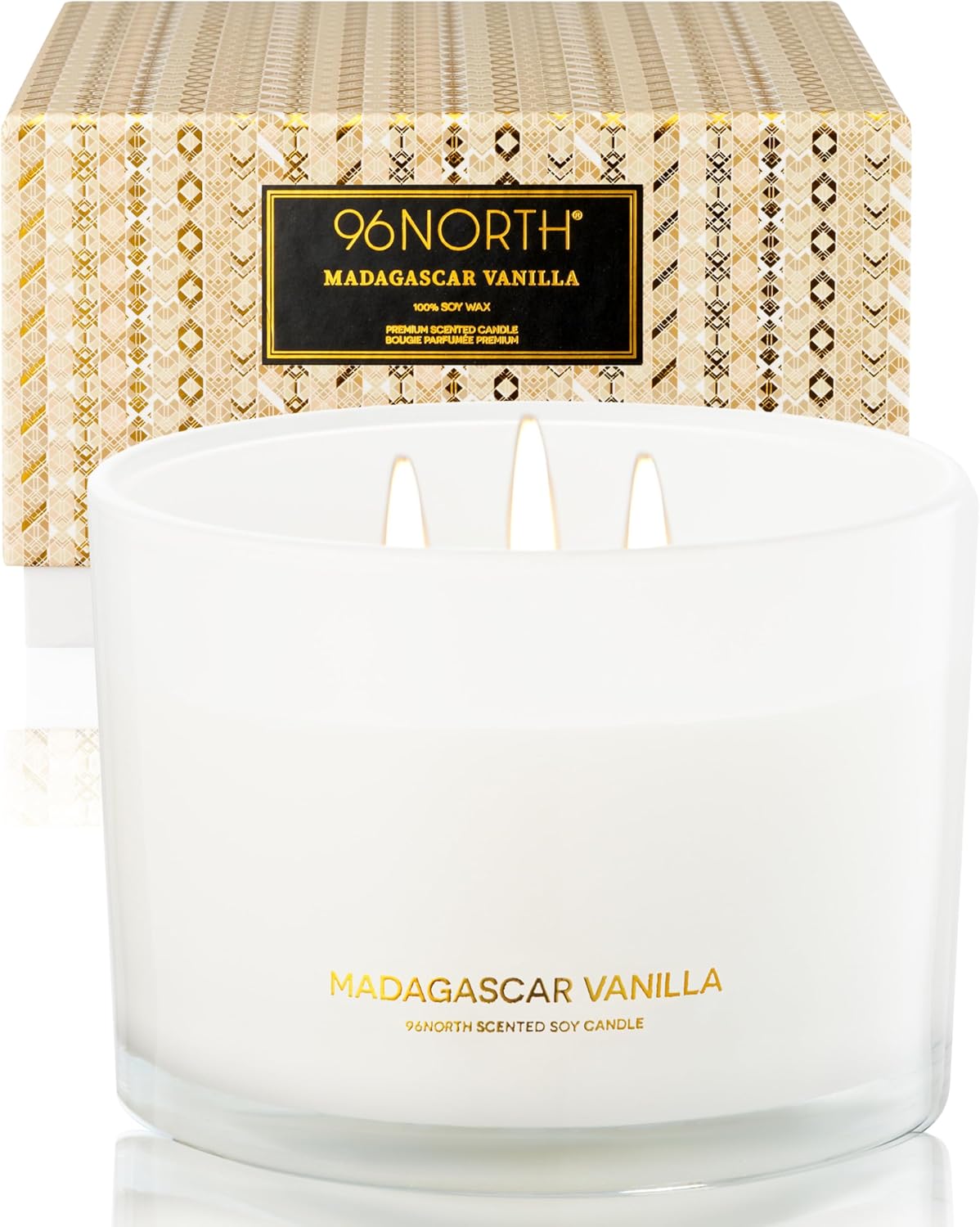
1. 96NORTH White Sage Candle (Featured)

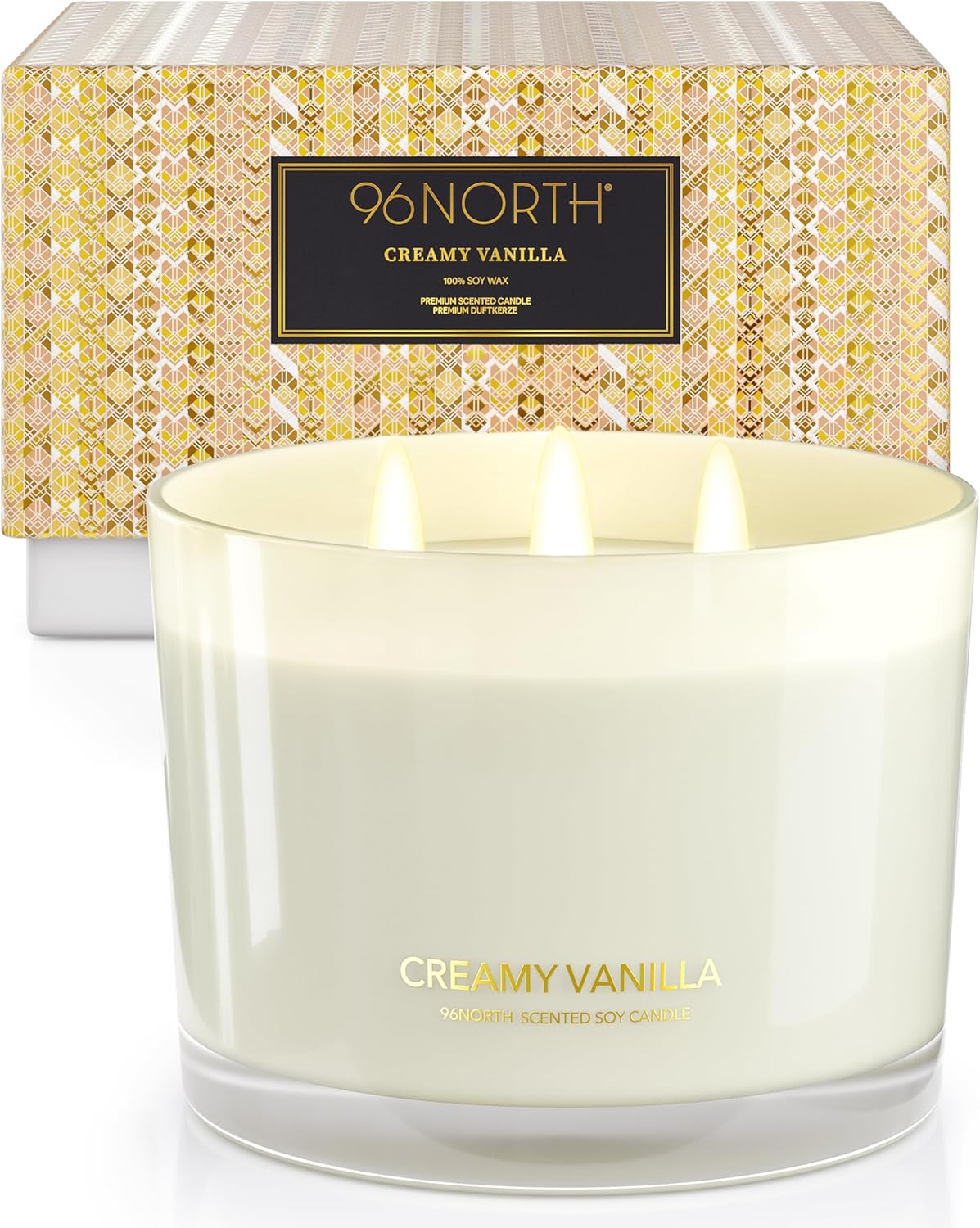
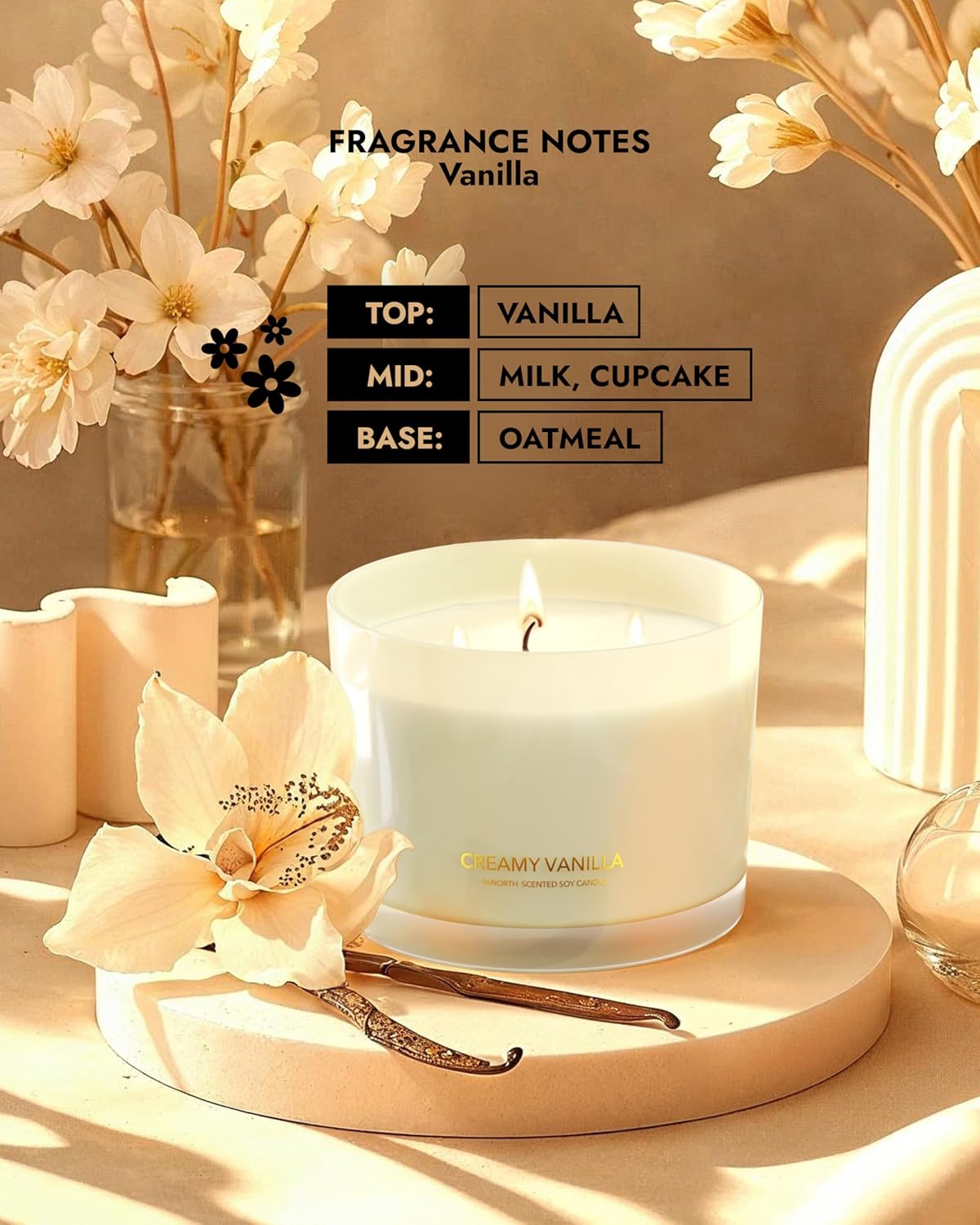
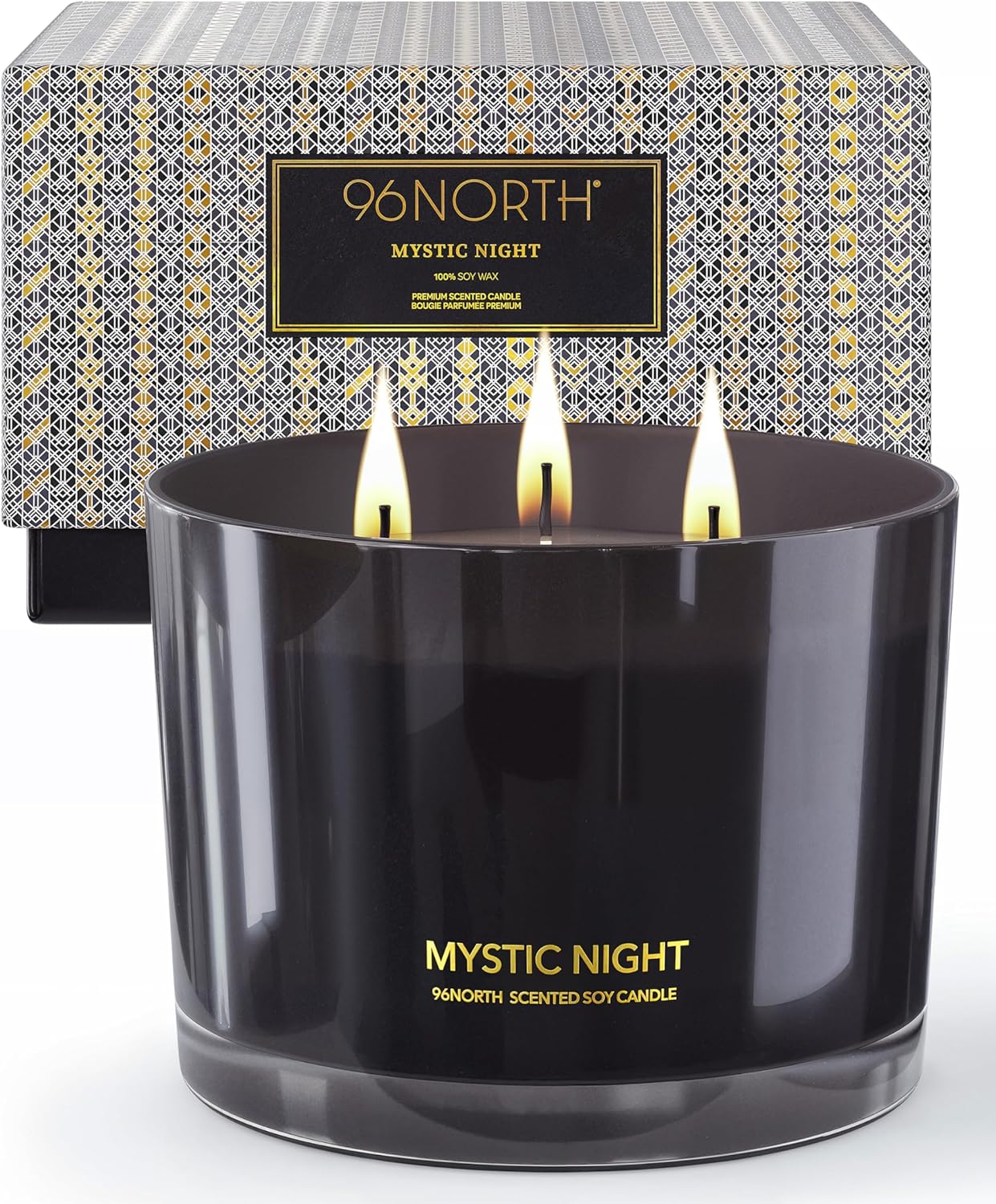
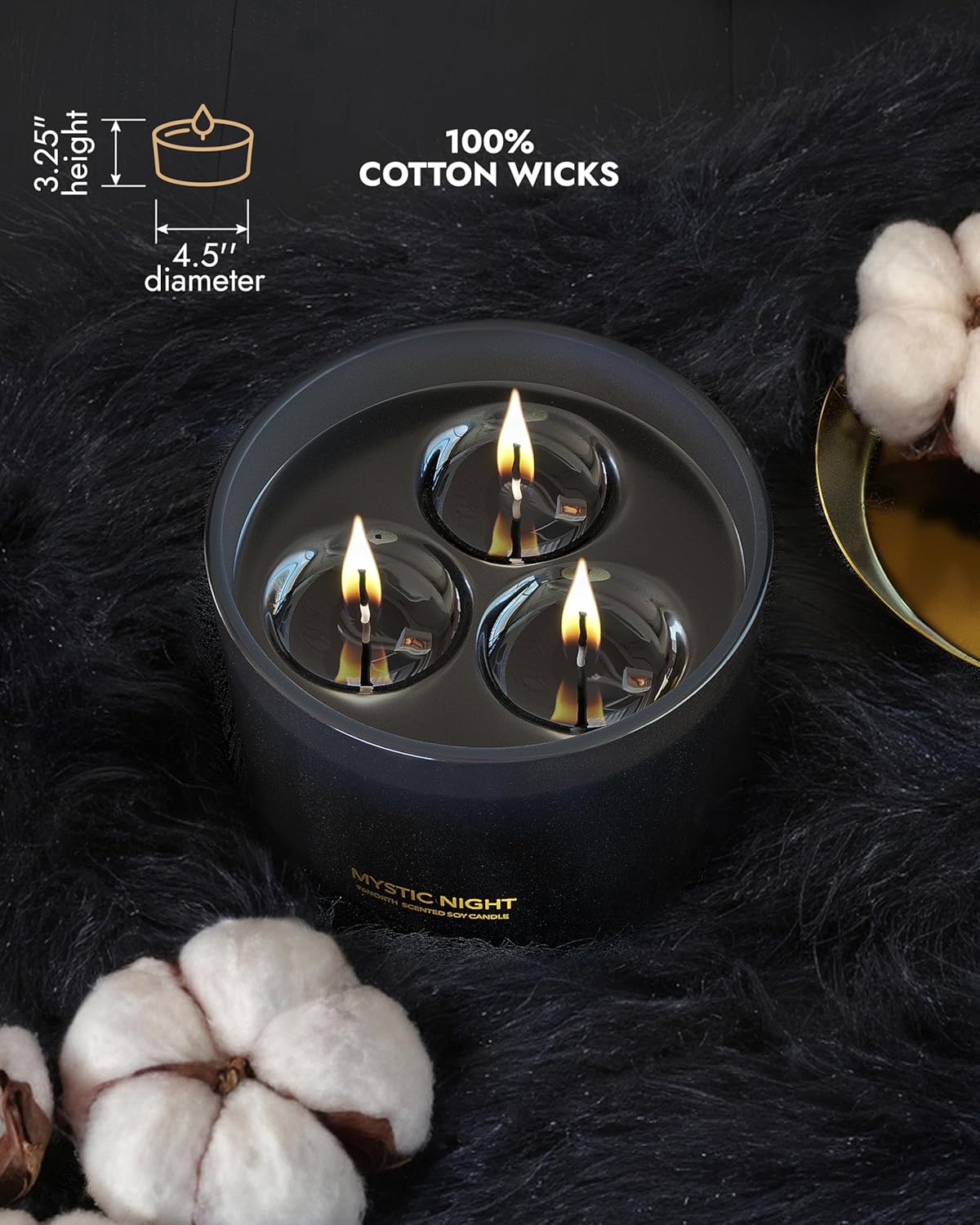
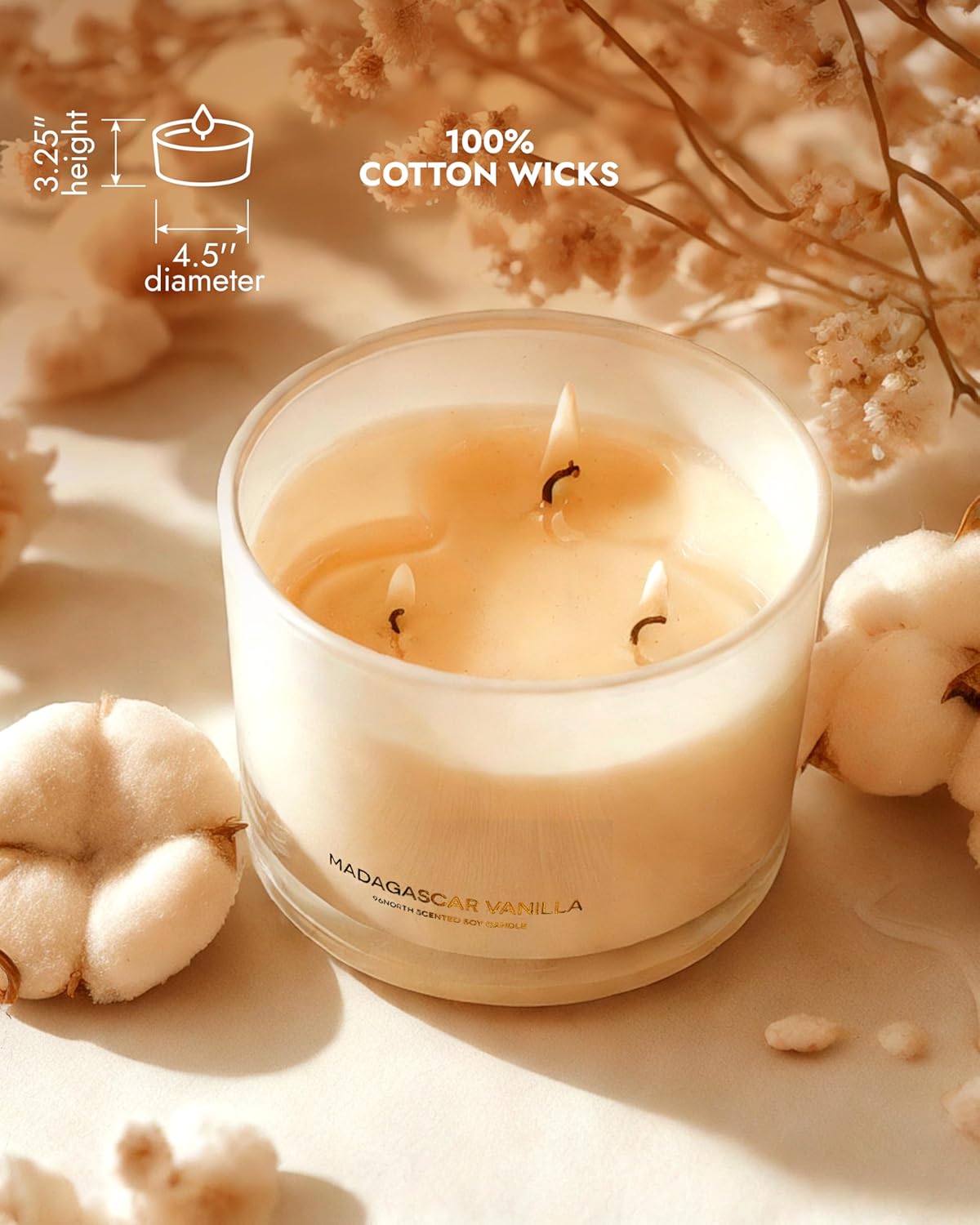
The 96NORTH White Sage Candle uses 100% natural soy wax, lead-free cotton wicks, and phthalate-free fragrance oils in a three-wick format. Its white sage fragrance is designed to have a noticeable scent presence, while the monochromatic glass vessel with gold foil accents gives it a polished, minimalist look. The larger melt-pool area created by three wicks can make it better suited to medium or larger practice rooms than a small single-wick candle.
Key Features:
• 100% natural soy wax.
• Three lead-free cotton wicks.
• White sage fragrance profile.
• Phthalate-free fragrance oil claim.
• 50+ hour stated burn time.
• Monochromatic glass vessel with gold foil accents.
Pros:
• Three-wick format can provide a noticeable scent presence in medium and larger rooms.
• Minimalist presentation works well in a home studio or living space.
• Accessible premium positioning.
Cons:
• The fragrance may feel too strong in a very small or enclosed room.
• Shoppers who prefer fragrance-free meditation may want an unscented option instead.
Best For: Yoga or meditation spaces where you want a noticeable white sage fragrance and a three-wick candle with a polished presentation.
2. MBur 'Wine Down' Beeswax Blend
MBur Wine Down uses a soy and beeswax blend with a wooden wick and a subtle lavender-and-cedar fragrance. The lower-intensity scent can suit meditation or slower yoga sessions where a strong fragrance would be distracting. Its small-batch positioning and simple presentation are part of the appeal, but the candle should be evaluated as a fragrance product rather than as an air-purifying device.
Key Features:
• Soy and beeswax blend.
• Wooden wick.
• Lavender and cedar fragrance profile.
• Small-batch production.
Pros:
• Subtle scent can stay in the background during longer sessions.
• Wooden wick adds a light crackling effect.
• Simple, small-batch presentation.
Cons:
• Higher price per ounce than many mass-market candles.
• Retail availability may be limited.
Best For: Meditation, Yin yoga, or quiet evening practice when you prefer a subtle lavender-and-cedar fragrance.
3. SOSA 'Meditation' Soy Candle
SOSA Meditation focuses on a low-intensity fragrance profile built around sandalwood and light floral notes. It uses non-GMO soy wax and a recyclable glass container. The softer throw makes it a practical option for quiet meditation or breath-focused sessions where a strong room-filling scent could become distracting.
Key Features:
• Non-GMO soy wax.
• Sandalwood and light floral fragrance profile.
• Lower-intensity scent throw.
• Recyclable glass container.
Pros:
• Soft fragrance is less likely to dominate a small practice space.
• Earthy scent profile suits slower or quieter sessions.
• Straightforward recyclable vessel.
Cons:
• May not provide enough scent presence in a large open-plan room.
• Simple presentation may feel basic to shoppers looking for a decorative luxury candle.
Best For: Quiet meditation and breath-focused practice where a subtle background fragrance is preferred.
4. GoodLight Lavender Tea Lights
GoodLight Lavender Tea Lights use a plant-based palm wax and are described as RSPO certified, with an approximately four-hour burn time per tea light. Their small size makes them useful when you want several points of warm light without committing to a large jar candle. Keep them well away from the mat, clothing, hair, props, and any movement path during practice.
Key Features:
• Plant-based palm wax.
• RSPO-certified positioning.
• Lavender fragrance.
• Approximately four-hour stated burn time per tea light.
• Small tea-light format.
Pros:
• Affordable format for occasional or repeated use.
• Shorter burn time suits compact sessions.
• Easy to distribute around a room when placed safely.
Cons:
• Requires more frequent replacement than a jar candle.
• Small format has a limited scent radius.
Best For: Short yoga or meditation sessions where you want soft candlelight and a light lavender fragrance without using a large vessel.
5. Chakra Crystal Candle Collection
The Chakra Crystal Candle Collection combines scented wax with color-coded presentation and crystals embedded in the candle. Each version pairs a fragrance with a chakra theme, making the collection more decorative and ritual-focused than a standard utility candle. For users who already incorporate chakra symbolism into meditation, the candle can serve as a visual focal point without implying that the product itself changes energy or health.
Key Features:
• Embedded crystal design.
• Color-coded chakra themes.
• Essential-oil-infused positioning.
• Decorative presentation.
Pros:
• Distinctive visual element for themed meditation spaces.
• Gift-friendly presentation.
• Multiple scent and color options.
Cons:
• Embedded objects can shift as wax melts and may affect the wick, so manufacturer instructions should be followed carefully.
• Premium pricing may reflect the decorative novelty as much as the candle itself.
Best For: Chakra-themed meditation or yoga spaces where the symbolism and decorative presentation are part of the experience.
6. Big Dipper Unscented Beeswax Pillar

Big Dipper Unscented Beeswax Pillar is a fragrance-free option made from 100% beeswax. The wide pillar format and steady visible flame can make it suitable for Trataka, a traditional candle-gazing practice, or for practitioners who simply prefer to avoid added fragrance. Beeswax has a naturally mild honey-like aroma, but it should not be presented as automatically hypoallergenic or as an air-purifying material.
Key Features:
• 100% beeswax.
• No added fragrance.
• Wide pillar format.
• Naturally mild beeswax aroma.
Pros:
• No added fragrance to compete with meditation.
• Wide base provides a stable format when placed on a suitable heat-resistant surface.
• Useful option for candle-gazing practices.
Cons:
• Does not provide added fragrance for users who want aromatherapy-style scent.
• Like other pillar candles, it can tunnel if burn conditions are not managed correctly.
Best For: Trataka candle-gazing and fragrance-free yoga or meditation spaces.
7. NEST New York Himalayan Salt & Rosewood

NEST New York Himalayan Salt & Rosewood offers a more polished, spa-inspired fragrance experience, combining floral and woody elements in the brand's recognizable glass vessel. Its proprietary wax blend is designed for consistent fragrance performance, and the stronger scent presence can suit larger home studios or open-plan rooms where a smaller candle might feel too subtle.
Key Features:
• Proprietary premium wax blend.
• Floral and woody fragrance profile.
• Designer glass vessel.
• Higher fragrance concentration.
Pros:
• Noticeable scent presence for larger rooms.
• Polished presentation works well in a styled home studio.
• Layered fragrance offers more complexity than a single-note candle.
Cons:
• Premium price point.
• Stronger fragrance may be distracting for people who prefer scent-light meditation.
Best For: Larger practice spaces where you want a premium, spa-style fragrance and decorative vessel.
8. P.F. Candle Co. Teakwood & Tobacco

P.F. Candle Co. Teakwood & Tobacco uses domestically grown soy wax, cotton-core wicks, and an amber apothecary-style jar. Its woody, warm fragrance profile is heavier than the herbal and floral options in this guide, making it more suited to evening practice or a cozy Yin session than to someone looking for a bright morning scent.
Key Features:
• Domestically grown soy wax.
• Cotton-core wick.
• Teakwood and tobacco fragrance profile.
• Amber apothecary-style jar.
Pros:
• Warm, earthy fragrance.
• Minimal amber-jar presentation.
• Accessible price relative to many premium fragrance brands.
Cons:
• The heavier scent may not suit morning or high-energy practice.
• Single-wick format can take longer to form a full melt pool than a wider multi-wick candle.
Best For: Evening yoga, Yin practice, or meditation when you prefer a warm woody fragrance.
How to Choose the Right Candle for Your Practice
A yoga or meditation candle is best chosen by scent preference, room size, burn format, and how much visual or aromatic presence you want during practice. It does not need to make medical or psychological claims to be useful as part of a consistent routine.
1. Compare Wax and Wick Information
Soy, beeswax, palm, paraffin, and blended waxes all have different burn characteristics. No single wax type automatically makes a candle safe, non-toxic, air-purifying, or suitable for deep breathing. Look for clear wax and wick disclosures, follow the manufacturer's burn instructions, trim the wick as directed, and ventilate the room if the fragrance or smoke feels uncomfortable.
2. Match the Scent to the Session
Fragrance preference is personal. Eucalyptus, sage, and citrus can smell fresh or bright, while sandalwood, cedar, teakwood, tobacco, and lavender tend to feel warmer or softer. For silent meditation, a low-intensity scent or an unscented candle may be less distracting. For a larger yoga room, a stronger fragrance may be more noticeable. These are atmosphere choices rather than proven ways to create particular brain states or emotional outcomes.
3. Consider Visual Focus
If the flame itself is part of the practice, an unscented pillar can be a simpler choice than a strongly fragranced candle. Trataka is a traditional candle-gazing exercise, but the candle should be placed at a comfortable, stable distance and used without forcing the eyes. Stop if you experience eye discomfort, dizziness, or strain.
4. Set Up the Space Safely
Place candles on stable, heat-resistant surfaces well away from the yoga mat, loose clothing, hair, blankets, curtains, paper, and other flammable materials. Keep the flame out of movement paths and never leave a burning candle unattended. Tea lights placed around a room can create visual ambience, but they should not be positioned close enough to the mat to be kicked, knocked, or brushed during transitions.
Conclusion
The best candle for yoga or meditation depends on whether you want a noticeable fragrance, a subtle scent, a decorative ritual object, or an unscented flame. Use wax information, fragrance intensity, wick format, room size, burn time, and presentation as the deciding factors rather than expecting a candle to purify the air, regulate emotions, or improve concentration.
For shoppers who prefer 100% natural soy wax, lead-free cotton wicks, a three-wick format, and a white sage fragrance, the 96NORTH White Sage Candle is one option to compare with the other candles in this guide.
Frequently Asked Questions
Are soy candles safe to burn around pets during yoga?
Do not assume a candle is safe for every pet simply because it uses soy wax. Fragrance, essential oils, smoke, and an open flame can all matter, and individual animals may be more sensitive than others. Keep candles out of reach, ventilate the room, make sure the pet can leave the space, and stop using the candle if the animal appears uncomfortable. If a pet has respiratory problems or known sensitivities, ask a veterinarian for individual guidance.
How can I use a candle during meditation?
A candle can serve as a visual focal point, a source of low ambient light, or a consistent cue that your practice is beginning. In Trataka, practitioners traditionally gaze at a steady flame for a period of time, then close the eyes and observe the after-image. Keep the flame at a comfortable distance and do not force prolonged staring. A candle may support a routine, but it should not be described as proven to improve concentration on its own.
Why do some candles give me a headache during yoga?
Strong fragrance, smoke, poor ventilation, or individual scent sensitivity can make some people uncomfortable and may contribute to headache symptoms. Headaches can have many causes, so it is not accurate to assume that synthetic fragrance or paraffin wax is always responsible. If a candle bothers you, stop using it, ventilate the room, and consider an unscented or lower-fragrance option.