
A nursery is a space where fragrance and open-flame choices deserve extra care. No candle can be considered universally baby-safe, and wax type alone does not make a product harmless around an infant. Strong fragrance, smoke, and an unattended flame can all be reasons to keep candles out of a baby's immediate sleep environment.
This guide compares ten candles by wax, wick, fragrance approach, vessel design, and ingredient disclosure. If a parent chooses to use a candle near a nursery, the safer approach is to keep it well away from the crib, bedding, curtains, and changing areas, burn it only while an adult is present, ventilate the room, and extinguish it before the baby is placed down to sleep. An unscented option or no candle at all may be preferable if fragrance sensitivity is a concern.
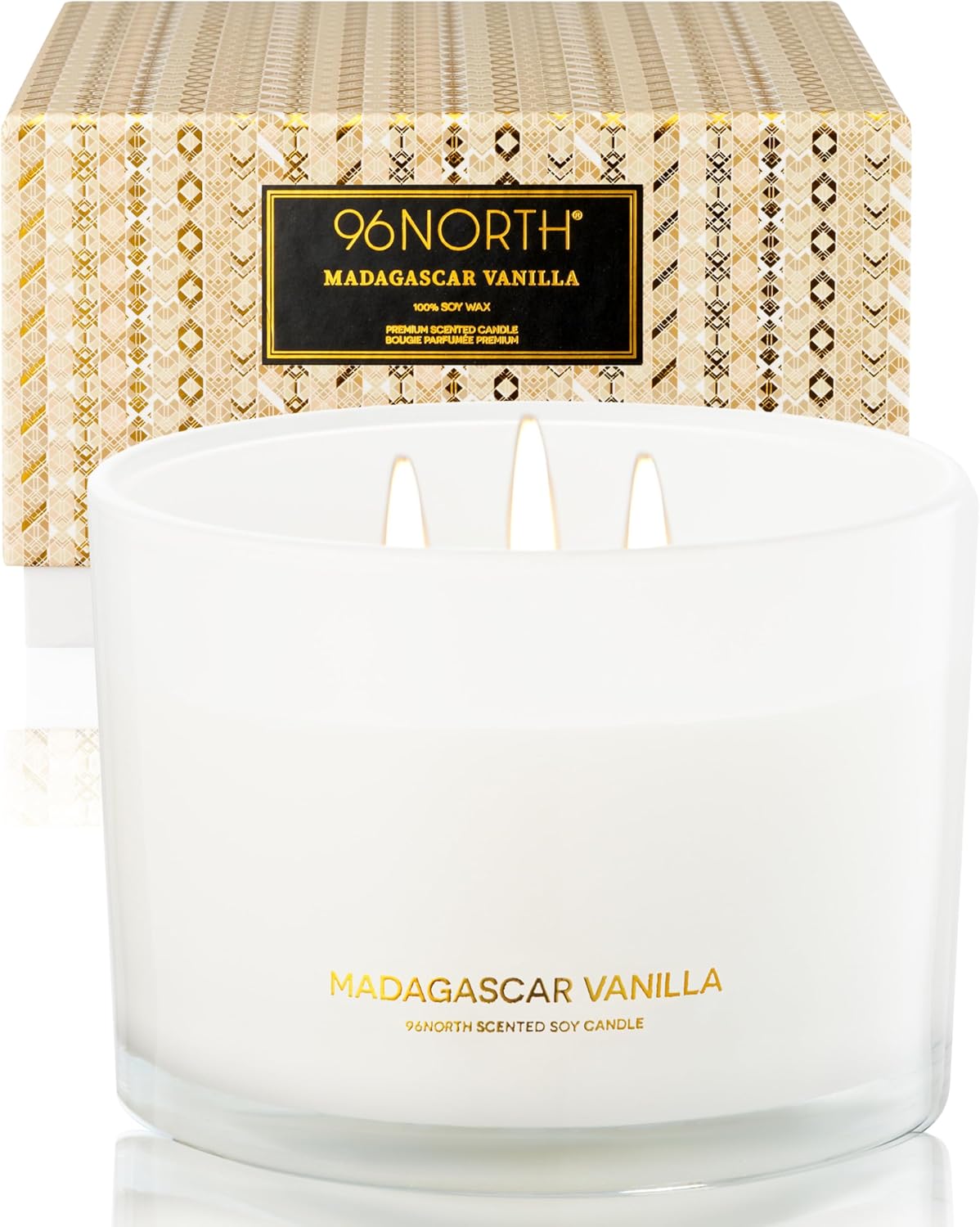
1. 96NORTH Tropical Coconut Luxury Candle (Featured)

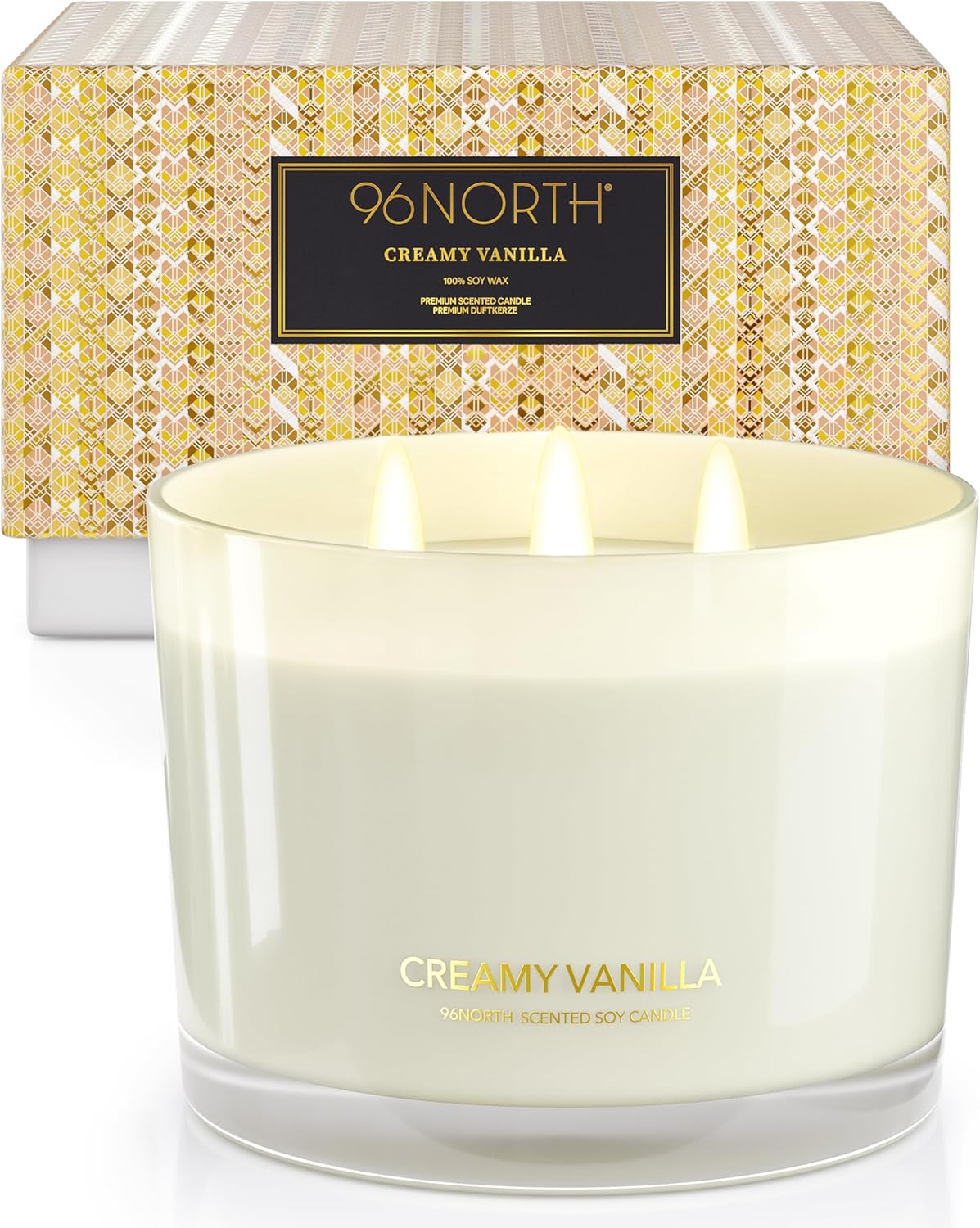
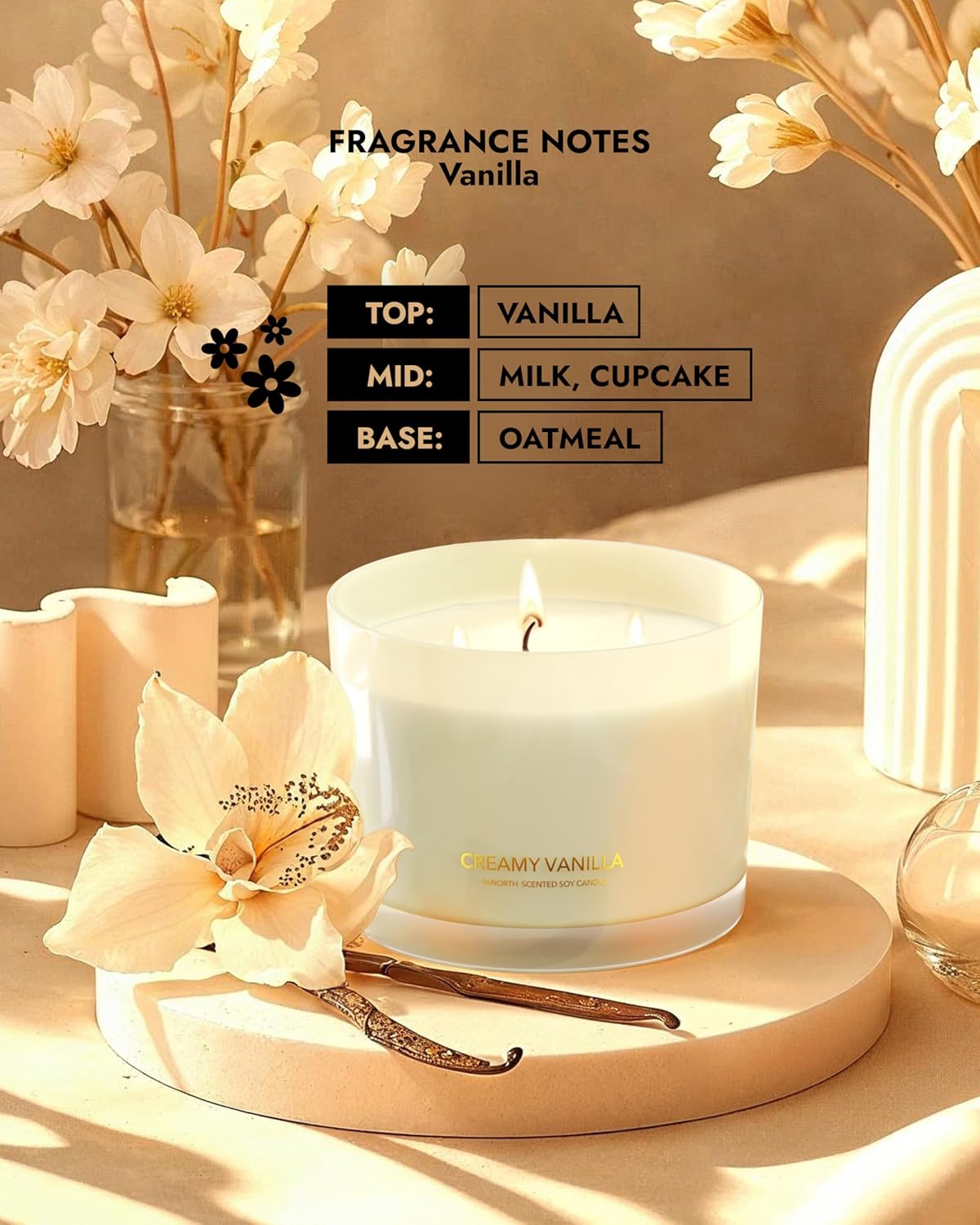
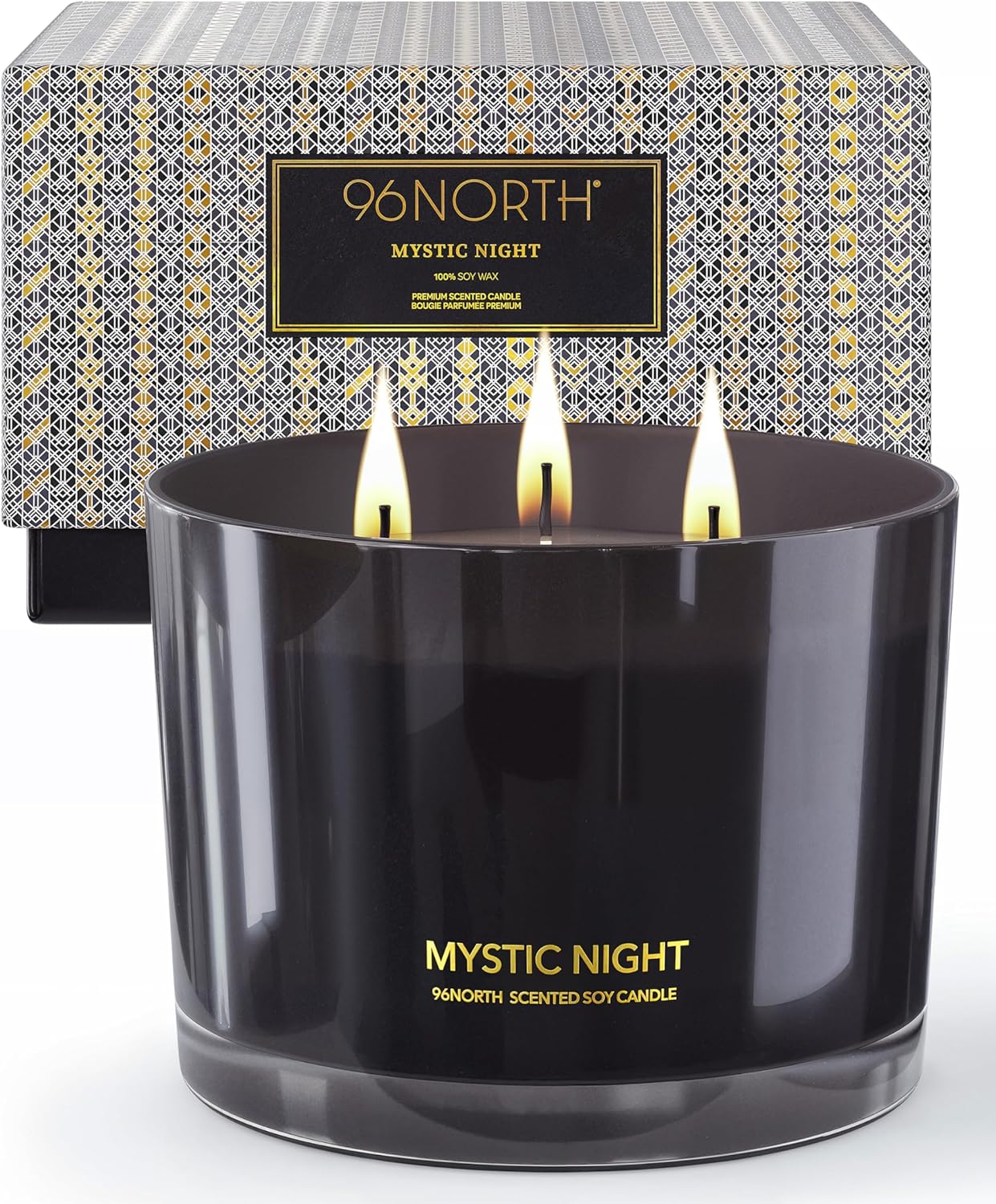
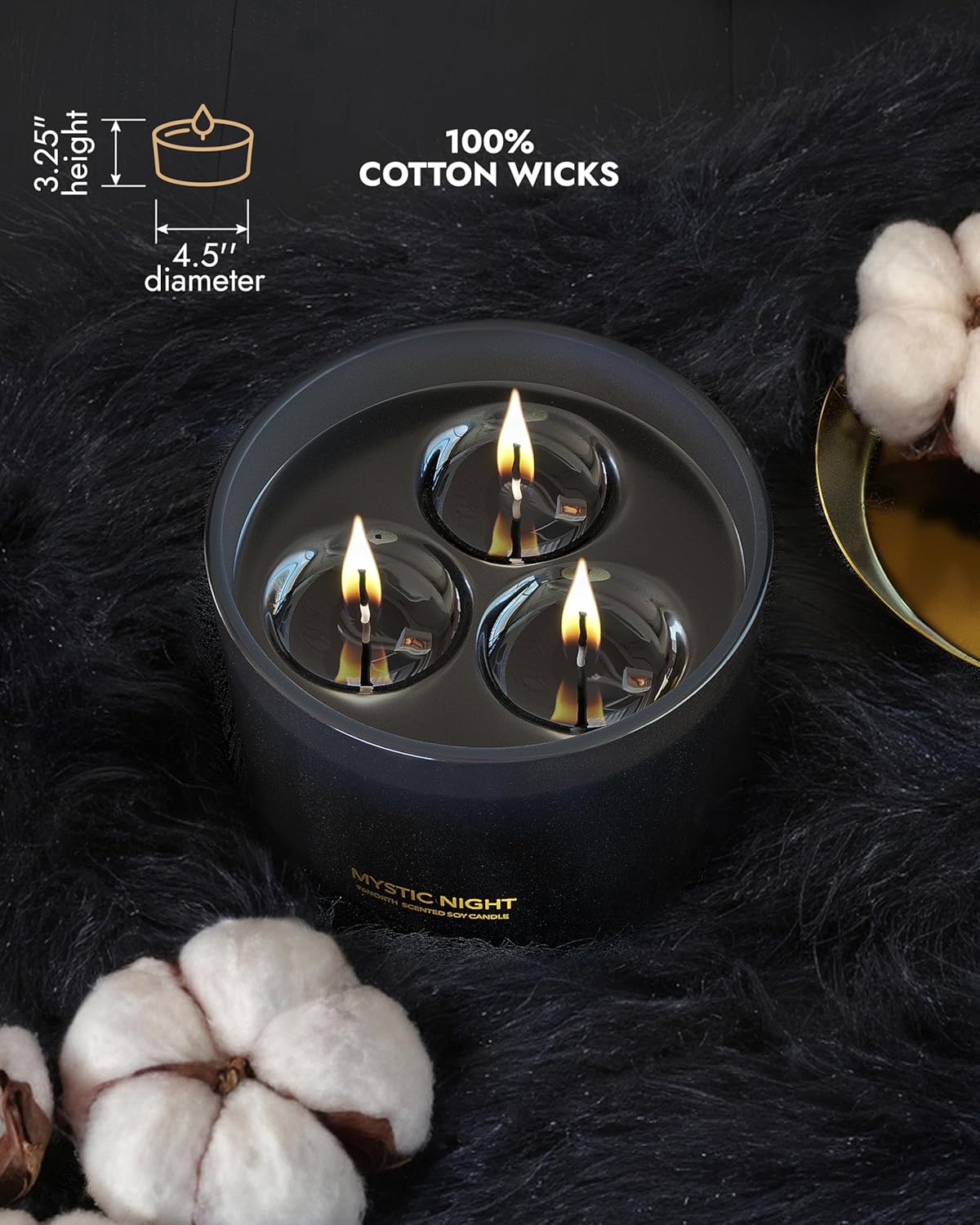
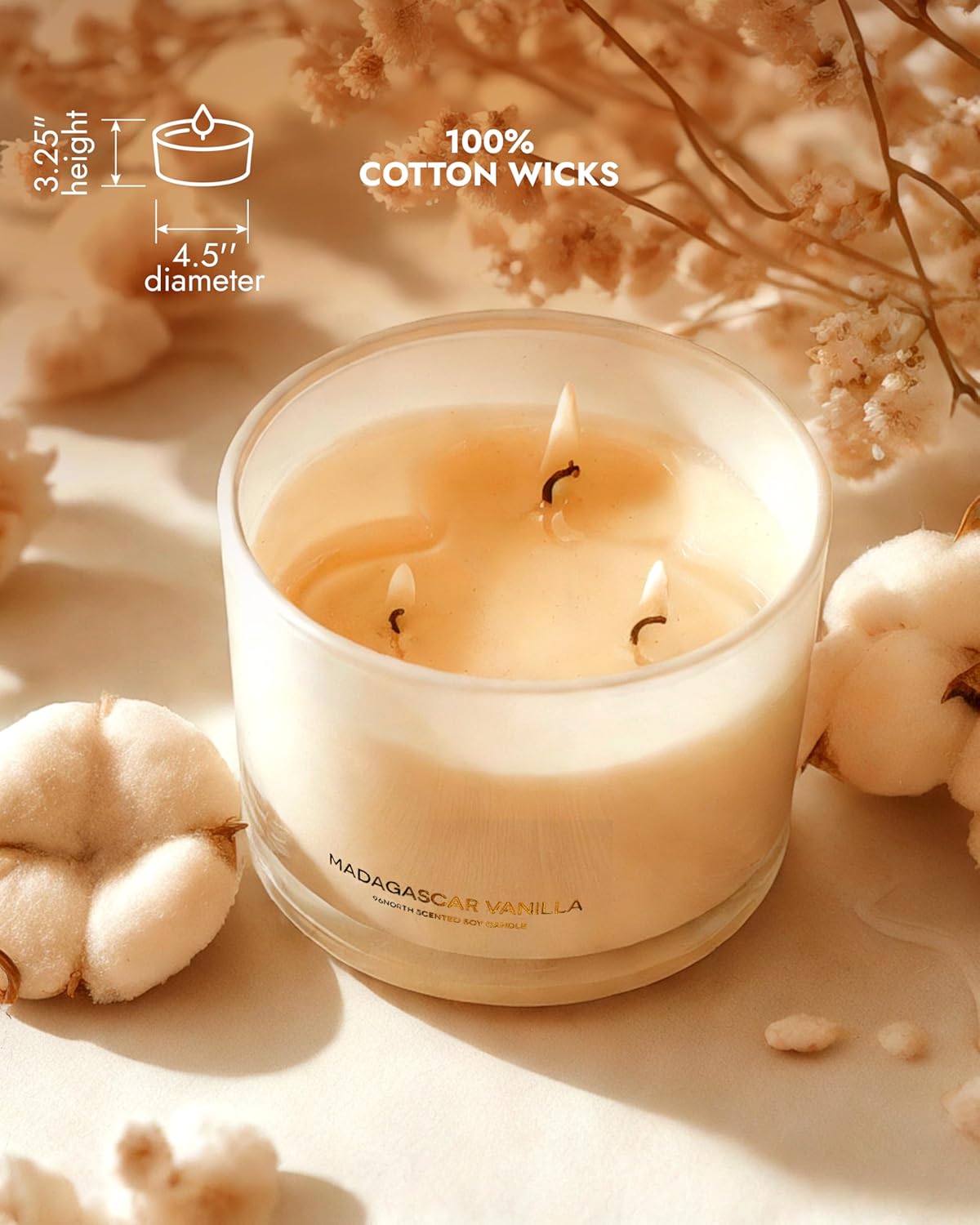
The 96NORTH Tropical Coconut Luxury Candle uses 100% natural soy wax, three lead-free cotton wicks, and phthalate-free fragrance oils. Its creamy coconut profile is designed as a soft gourmand fragrance, while the three-wick format creates a broad melt pool and a noticeable scent presence.
The monochromatic glass vessel with gold foil accents gives it a polished look that can suit a modern nursery or adjacent parent space. It should not be treated as baby-safe simply because it uses soy wax or lead-free wicks. If used around a nursery, keep the candle supervised, ventilate the room, and extinguish it before the baby is present for sleep.
Key Features:
• 100% natural soy wax.
• Three lead-free cotton wicks.
• Phthalate-free fragrance claim.
• 50+ hour stated burn time.
• Monochromatic glass vessel with gold foil accents.
Pros:
• Creamy coconut fragrance for shoppers who prefer gourmand scents.
• Three-wick design supports an even melt pool when used correctly.
• Premium presentation at an accessible price point.
Cons:
• Three wicks can produce more fragrance than a small single-wick candle.
• The glass vessel becomes hot during use and needs a stable surface away from children.
• Fragrance can still be irritating or overwhelming for some people.
Best For: Parents who want a three-wick coconut candle for supervised use in an adjacent room or a ventilated nursery when the baby is not sleeping there.
2. Fontana Candle Co. Lavender & Coconut

Fontana Candle Co. uses a beeswax and coconut-oil base scented with essential oils and carries MADE SAFE certification. The lavender and coconut profile is positioned around ingredient transparency rather than a conventional synthetic-fragrance formula.
Essential oils are still fragrances and are not automatically suitable for infants. Certification can provide useful information about a brand's ingredient screening, but it does not turn a burning scented candle into a universally baby-safe product.
Key Features:
• MADE SAFE certified.
• Beeswax and coconut-oil blend.
• Essential-oil fragrance.
• Wooden wick.
Pros:
• Detailed ingredient disclosure.
• Third-party certification provides an additional reference point.
• Wood wick adds a light crackling effect.
Cons:
• Higher price per ounce than many mass-market candles.
• Essential oils can still be strong or irritating for some people.
• Wood wicks require regular trimming and care.
Best For: Ingredient-conscious parents who value third-party certification and plan to use fragrance only with careful ventilation and supervision.
3. MBur Candle Co. Unscented Beeswax
MBur Candle Co. offers an unscented beeswax candle with a wooden wick. With no added fragrance, it avoids the perfume load found in scented candles while still providing the warm appearance of candlelight.
Fragrance-free does not mean risk-free. Beeswax can have a naturally mild honey aroma, and any burning candle produces heat and combustion byproducts. Its practical advantage for a nursery comparison is the absence of added scent, not a claim that it cleans the air or eliminates respiratory risk.
Key Features:
• 100% beeswax claim.
• No added fragrance.
• Wooden wick.
• Small-batch positioning.
Pros:
• No added perfume.
• Simple ingredient approach.
• Longer-lasting wax format compared with many small soft-wax candles.
Cons:
• Natural beeswax can still have a mild aroma.
• Wood wicks require careful trimming.
• An open flame still requires full adult supervision.
Best For: Parents who want candlelight without added fragrance and can keep the candle away from the baby's sleep area.
4. Grow Fragrance Blondewood
Grow Fragrance Blondewood uses a plant-based wax blend and emphasizes ingredient disclosure. The scent combines light woody, vanilla, and shea-style notes, while the refillable vessel system is designed to reduce packaging waste.
Plant-based ingredients and transparency can be useful comparison points, but they do not guarantee that a scented candle is suitable for every infant or nursery. Scent strength and individual sensitivity still matter.
Key Features:
• Plant-based wax positioning.
• Leaping Bunny certification claim.
• Refillable glass system.
• Lead-free cotton wick claim.
• Detailed ingredient disclosure.
Pros:
• Refill system reduces the need to replace the full vessel.
• Clearer ingredient information than many conventional fragrance products.
• Sophisticated woody fragrance profile.
Cons:
• Initial purchase price is relatively high.
• Fragrance may be stronger than expected in a small nursery.
• Still a scented burning product that requires ventilation and supervision.
Best For: Eco-conscious parents who value refillable packaging and detailed fragrance disclosure.
5. Natural Sloth Calm Candle
Natural Sloth Calm combines beeswax and coconut wax with lavender and Roman chamomile essential oils. The herbal fragrance is intended for an evening atmosphere and is presented in a small-batch format.
Lavender and chamomile are commonly associated with bedtime routines, but a candle should not be presented as a sleep treatment for a baby. Essential-oil fragrance can still be irritating, and a scented flame should be kept out of the crib area and extinguished before sleep.
Key Features:
• Beeswax and coconut-wax blend.
• Lavender and Roman chamomile essential-oil fragrance.
• No synthetic dyes or added color claim.
• Cotton wick.
Pros:
• Herbal scent profile for adults who enjoy lavender and chamomile.
• Small-batch positioning.
• Simple wax-and-essential-oil formulation.
Cons:
• Essential oils are still fragrances and may not suit sensitive babies or adults.
• Limited availability and smaller size options.
• Not appropriate as an unattended bedtime or sleep aid.
Best For: Parents who enjoy herbal fragrance for their own wind-down routine outside the baby's active sleep period.
6. Bluecorn Beeswax Raw Taper
Bluecorn Beeswax tapers are made from raw beeswax and have the wax's naturally mild honey aroma without added fragrance. The taper format provides a classic appearance and a focused flame.
The exposed flame makes a taper less practical for a nursery than a stable jar candle. It does not purify the air or become baby-safe because it is made from beeswax, so placement and supervision matter more than the wax marketing.
Key Features:
• 100% raw beeswax claim.
• Naturally mild honey aroma.
• No added fragrance or dyes.
• Taper format.
Pros:
• No added perfume.
• Classic natural-wax appearance.
• Can burn neatly when kept upright and away from drafts.
Cons:
• Requires a secure, heat-safe taper holder.
• Exposed flame is easier to knock than a jar candle.
• Natural beeswax aroma can still be noticeable.
Best For: Parents who want a beeswax taper for a supervised adult ritual outside the baby's reach and sleep space.
7. Slow North Rosemary + Lemon

Slow North Rosemary + Lemon uses soy wax with an essential-oil fragrance blend. The profile is bright and herbal, and the candle comes in recyclable glass with cotton-and-paper wick positioning.
The fact that the fragrance comes from essential oils does not make it automatically appropriate for a nursery. Rosemary and lemon can still feel sharp or strong in a small room, so ventilation and personal tolerance are important.
Key Features:
• Soy wax.
• Rosemary and lemon essential-oil blend.
• Recyclable glass jar.
• Cotton-and-paper wick.
Pros:
• Fresh herbal-citrus profile.
• Straightforward fragrance approach.
• Compact glass format.
Cons:
• Citrus and herbal fragrance can feel strong in a small space.
• Essential oils can still irritate sensitive users.
• Shorter stated burn time than some large beeswax formats.
Best For: Parents who already tolerate rosemary and citrus fragrance and plan to use it only with good ventilation.
8. P.F. Candle Co. Sunbloom

P.F. Candle Co. Sunbloom uses domestically grown soy wax, a cotton-core wick, and phthalate-free fragrance positioning. Its desert-inspired floral profile is more noticeable than the unscented and essential-oil-only options in this guide.
The amber glass vessel has a compact footprint, but the fragrance is still the main consideration for nursery use. A phthalate-free claim is useful product information, not proof that the candle is universally safe around babies.
Key Features:
• Domestically grown soy wax.
• Cotton-core wick.
• Phthalate-free fragrance positioning.
• Signature amber glass vessel.
Pros:
• Distinctive desert-inspired fragrance.
• Compact, minimalist presentation.
• Consistent everyday format.
Cons:
• Fragrance-oil scent can be stronger than fragrance-free alternatives.
• Floral notes may feel intense in a small room.
• Soy wax can develop cosmetic frosting without affecting function.
Best For: Parents who want a more noticeable floral fragrance for use outside the baby's sleep period.
9. Keap Woodcabin
Keap Woodcabin uses a coconut-wax blend with a layered woody fragrance. The brand emphasizes sustainability, B Corp certification, and reusable or returnable packaging, with scents developed in collaboration with perfumers.
Its sustainability model is a meaningful differentiator, but it should not be treated as an indoor-air safety certification for infants. The candle is still a fragranced product with an open flame.
Key Features:
• Coconut-wax blend.
• B Corp certified brand.
• Returnable or reusable vessel program.
• Perfumer-developed woody fragrance.
• Low-waste packaging positioning.
Pros:
• Complex fragrance profile.
• Strong sustainability positioning.
• Reusable glass presentation.
Cons:
• Premium pricing.
• Subscription or return model may not suit every shopper.
• Fragrance may be too noticeable for a small nursery.
Best For: Parents who value sustainability and prefer woody fragrance for use in an adult space near, rather than inside, the baby's sleep area.
10. Brooklyn Candle Studio Fern + Moss

Brooklyn Candle Studio Fern + Moss uses soy wax from American-grown soybeans, lead-free cotton wicks, and phthalate-free fragrance oils. The scent combines sage, lavender, spruce, and pine for a green, outdoors-inspired profile.
The minimalist jar works well in compact spaces, but the fragrance is still present and may be too strong for some babies or adults. Its wax and wick claims do not make it universally nursery-safe.
Key Features:
• Soy wax from American-grown soybeans.
• Lead-free cotton wick claim.
• Phthalate-free fragrance oils.
• Minimalist apothecary-style jar.
• Green, woody fragrance profile.
Pros:
• Understated presentation.
• Distinctive nature-inspired scent.
• Compact format for smaller rooms.
Cons:
• Still contains added fragrance.
• Earthy scent can be polarizing.
• Fragrance strength may be too much for a closed nursery.
Best For: Parents who like green, woody scents and can use the candle in a ventilated space away from the baby's sleep routine.
Choosing Candles Around a Nursery
The most useful question is not whether a candle is marketed as clean, natural, or non-toxic. Instead, compare the fragrance load, wax and wick disclosure, vessel stability, room ventilation, and how the candle will actually be used. No label removes the fire risk of an open flame or guarantees that a fragrance will be comfortable for a baby.
1. Be Conservative With Fragrance
Babies and adults can both be sensitive to strong fragrance. If scent is a concern, a candle with no added fragrance is easier to assess than a strongly perfumed product. Essential oils are fragrances too, so natural or plant-based wording should not be treated as a guarantee of gentleness.
2. Read the Wax, Wick, and Fragrance Disclosures
Soy, beeswax, coconut wax, and blended waxes all have different burn characteristics, but wax type alone does not determine whether a candle is appropriate for a nursery. Look for clear wick information, fragrance disclosure, burn instructions, and any third-party certification the brand holds. These details help with comparison without turning a product into a universal safety claim.
3. Keep the Flame Away From the Sleep Area
Place any burning candle on a stable, heat-resistant surface far from the crib, changing table, curtains, bedding, toys, and anything a child could eventually reach. Never place a candle on a wall shelf or dresser above the crib, and never leave it burning while you step away from the room.
4. Ventilate and Extinguish Before Sleep
If you choose to use a candle as part of a parent wind-down routine, keep the room ventilated and use the candle only while an adult is present. Extinguish it before the baby is placed in the crib or before you go to sleep. If the room smells heavily fragranced or the candle begins to smoke, stop using it and air out the space.
5. Follow Basic Candle Care
Trim the wick to the manufacturer's recommended length, keep the candle away from drafts, and stop burning if the flame becomes unusually large or smoky. Let a container candle form an even melt pool when practical, but never extend a burn session simply to reach the edge if doing so conflicts with the manufacturer's maximum burn time or your supervision needs.
Conclusion
A candle is not necessary for a nursery, and no candle can be guaranteed baby-safe. For parents who still want candlelight or fragrance as part of their own routine, the most useful comparisons are added-fragrance level, ingredient disclosure, wick type, vessel stability, scent strength, and how easy the product is to use away from the baby's sleep area.
The 96NORTH Tropical Coconut candle offers a larger three-wick soy format with lead-free cotton wicks and phthalate-free fragrance positioning, while MBur and Bluecorn provide no-added-fragrance beeswax alternatives. Whichever style you prefer, use it only with active adult supervision, keep the flame well away from the crib and soft furnishings, ventilate the room, and extinguish the candle before the baby sleeps.
Frequently Asked Questions
Are candles safe to burn in a nursery?
No candle can be universally described as baby-safe. Open flames are a fire risk, and fragrance or smoke can be irritating in a small room. The most cautious approach is not to burn a candle while a baby is sleeping or unattended in the nursery. If a parent chooses to use one, keep it supervised, well away from the crib and fabrics, and ventilate the room.
What should I look for in a nursery candle?
Look for clear wax, wick, and fragrance disclosure, a stable heat-resistant vessel, straightforward burn instructions, and a scent level you can control. Fragrance-free options reduce added perfume, while certifications such as MADE SAFE can provide another point of reference. None of these features makes a burning candle automatically baby-safe.
How can I reduce soot from a candle?
Trim the wick to the manufacturer's recommended length, keep the flame away from drafts, and extinguish the candle if it begins smoking or the flame grows unusually large. Follow the stated maximum burn time. Wax type can affect burn behavior, but no wax should be described as completely soot-free under all conditions.