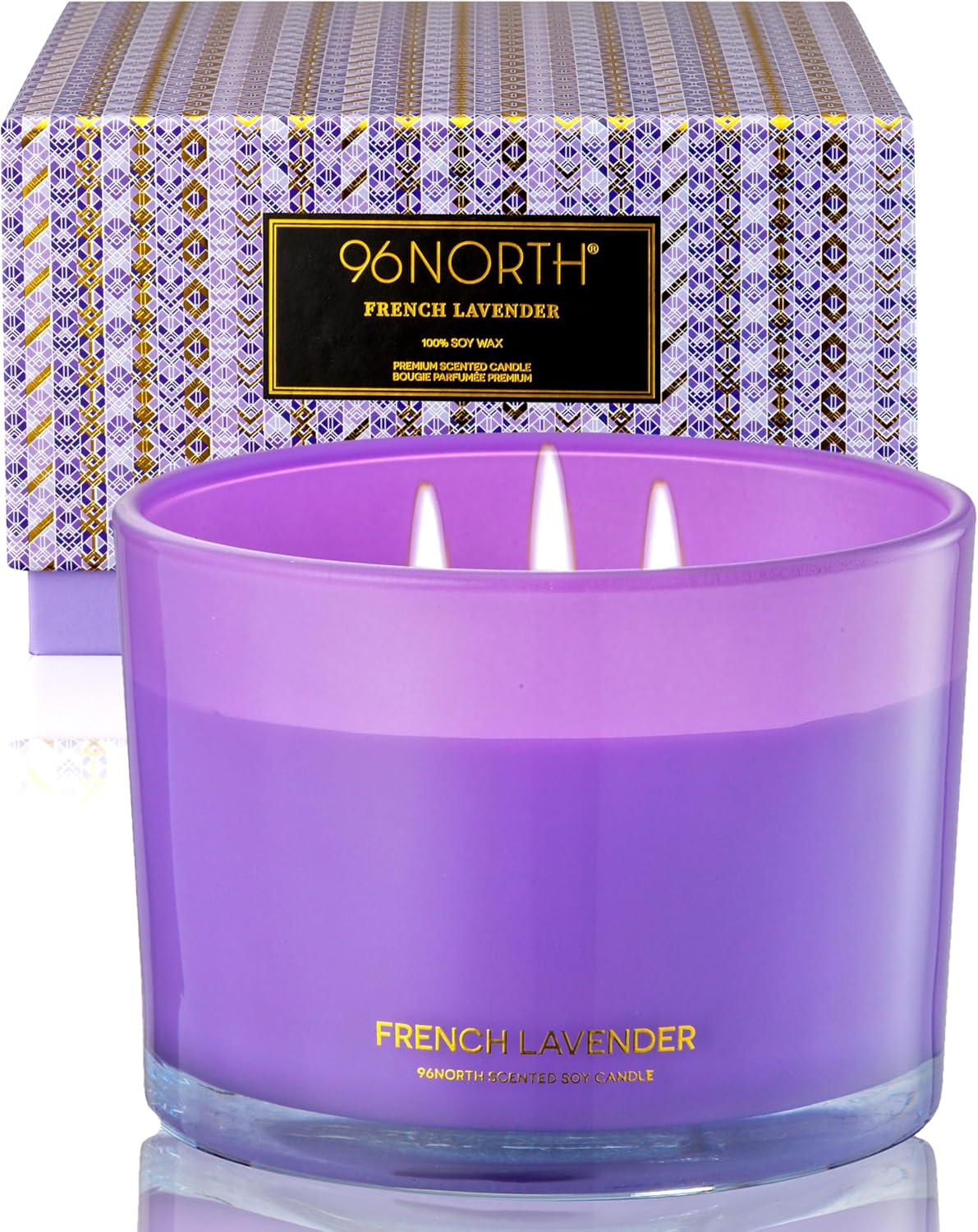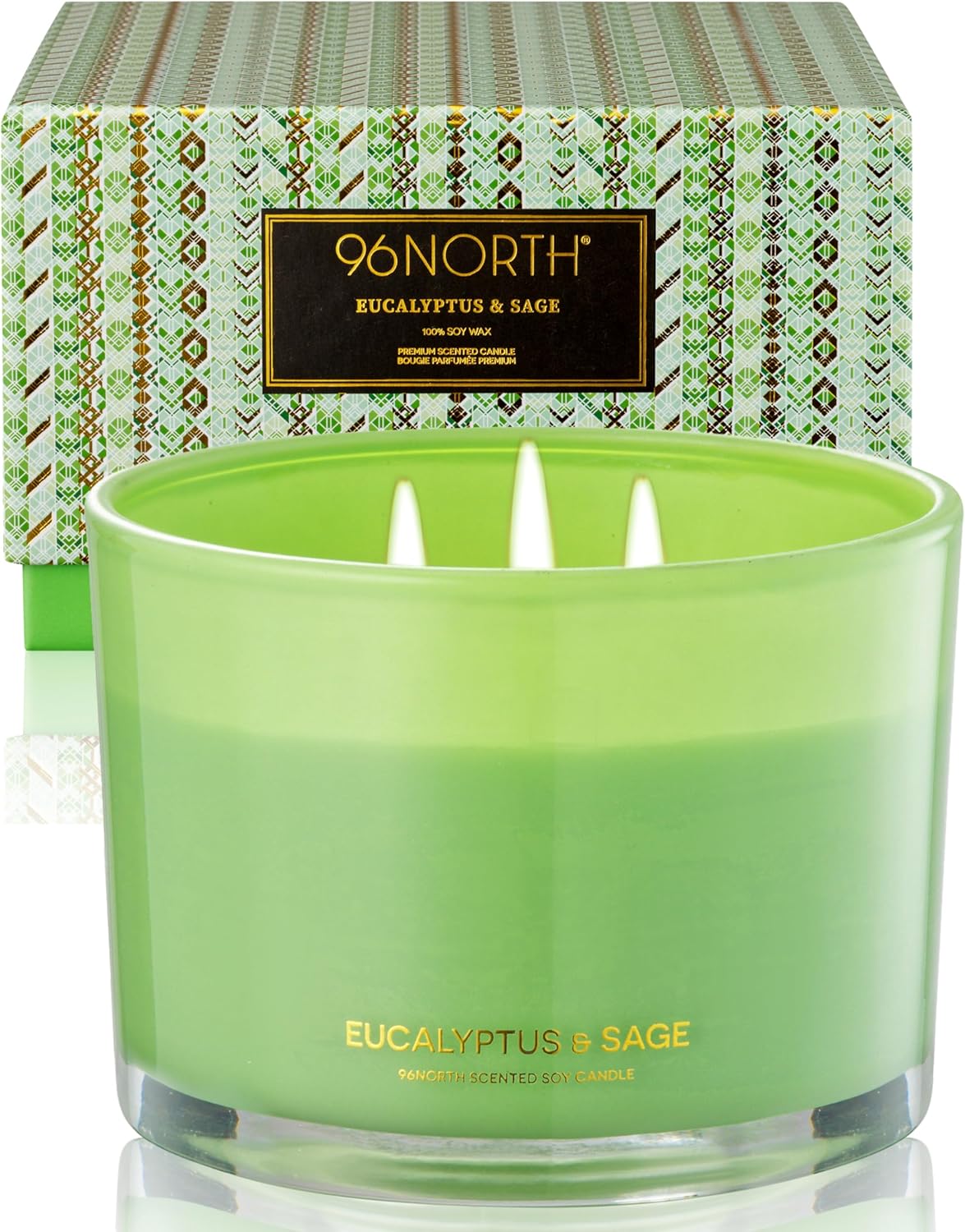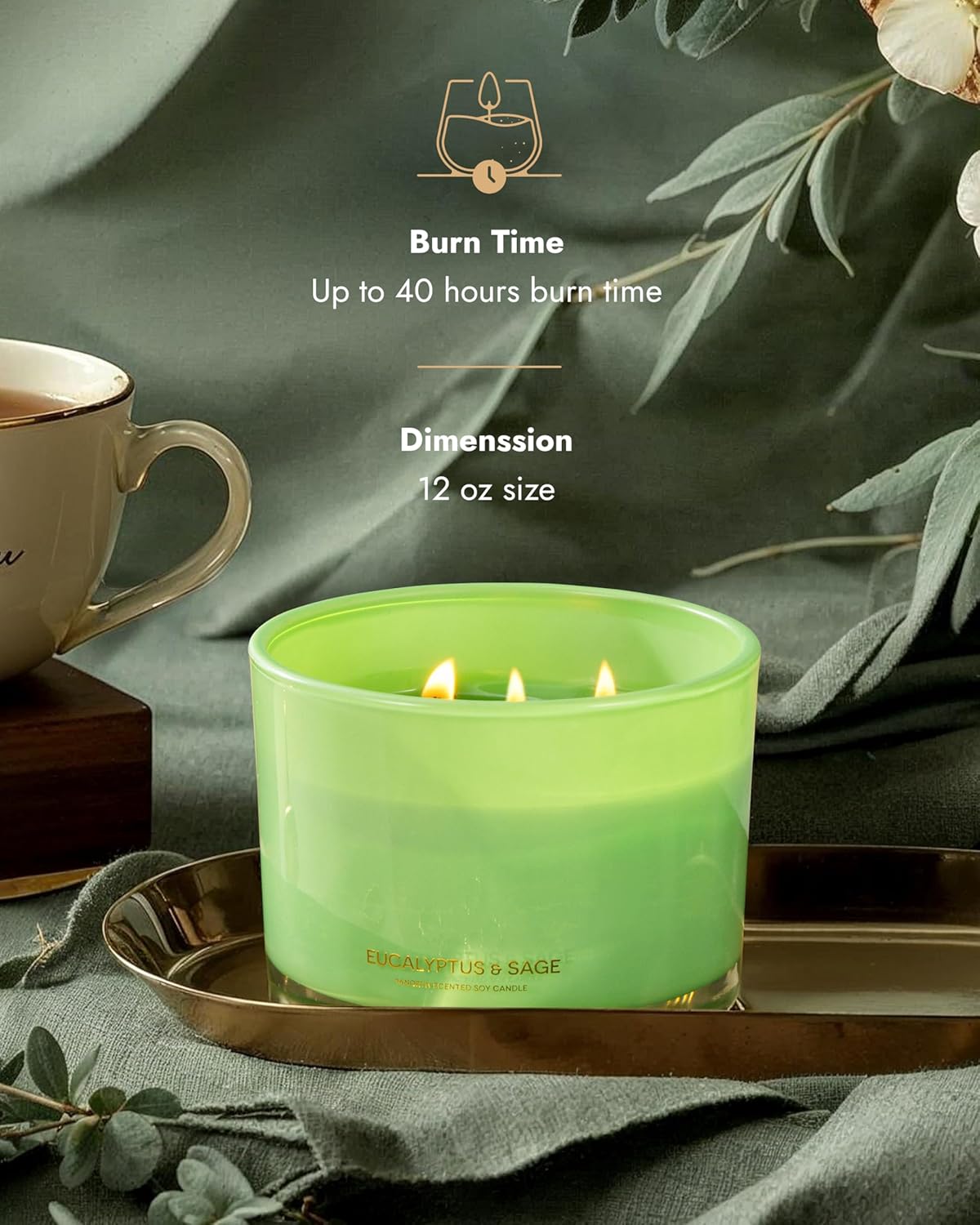

An aromatherapy oils chart makes it easier to compare scent profiles and choose an oil for a room, activity, or time of day. Lavender and sandalwood suit quieter evening spaces, while peppermint, lemon, and eucalyptus provide brighter, fresher aromas.
Preferences and sensitivities vary, so follow product instructions and consider dilution, ventilation, children, pets, and individual reactions. This chart is a practical starting point, not medical advice.
Aromatherapy Oils Chart: Common Uses and Timing
Compare the scent character and common household use of six popular oils.
|
Essential Oil |
Scent Profile and Common Use |
Typical Time to Use |
|
Lavender |
Soft floral scent for bedrooms and quiet spaces. |
Evening or before bed |
|
Peppermint |
Cool mint scent for fresh-feeling workspaces. |
Morning or midday |
|
Lemon |
Bright citrus scent for kitchens and offices. |
Work hours or daytime |
|
Eucalyptus |
Crisp herbal scent for bathrooms and showers. |
Morning or shower time |
|
Sandalwood |
Warm woody scent for reading and quiet rooms. |
Evening wind-down |
|
Frankincense |
Resinous, earthy scent for meditation spaces. |
Quiet or reflective periods |
10 Aromatherapy Oil Brands and Products Worth Considering
1. 96NORTH Himalayan Sandalwood Diffuser Oil

The 96NORTH Himalayan Sandalwood Diffuser Oil has a warm, woody profile intended for compatible home-fragrance systems. Its concentrated scent and minimalist presentation suit shoppers who prefer a noticeable sandalwood fragrance without a floral or citrus character.
• Premium fragrance oil.
• Warm sandalwood scent profile.
• Designed for long-lasting home fragrance.
• Minimalist packaging.
Pros:
• Distinct woody aroma.
• Suitable for evening living spaces and bedrooms.
• Concentrated formula provides a noticeable scent.
Cons:
• Higher price than many budget oils.
• The strong woody profile may not suit users who prefer lighter scents.
Best For: People who prefer a warm sandalwood fragrance for evening rooms.
2. Plant Therapy Essential Oils

Plant Therapy offers single oils, blends, roll-ons, and a KidSafe product line. The brand provides batch-specific GC/MS testing information, which helps shoppers review the composition and purity data associated with individual products.
• Single oils and blended formulas.
• Batch-specific GC/MS reports.
• KidSafe product range.
• Multiple bottle sizes and formats.
Pros:
• Broad selection at accessible prices.
• Strong emphasis on testing and safety education.
• Useful product guidance for beginners.
Cons:
• Packaging is practical rather than luxury-focused.
• The large product range may feel overwhelming to new users.
Best For: Beginners and families looking for testing information and clear product guidance.
3. doTERRA Essential Oils

doTERRA sells a wide range of single oils, proprietary blends, and related wellness products through a multilevel marketing model. The brand uses its own Certified Pure Tested Grade protocol to describe its testing and sourcing standards.
• Large selection of single oils and blends.
• CPTG testing protocol.
• Extensive educational and distributor network.
• Multiple application formats.
Pros:
• Consistent product presentation.
• Wide availability through distributors.
• Large range of proprietary blends.
Cons:
• Premium pricing.
• The multilevel marketing structure may not appeal to every shopper.
Best For: Buyers who already use the brand or prefer its proprietary blends.
4. Edens Garden Synergy Blends
Edens Garden is known for its pre-formulated Synergy Blends, which combine several oils around a particular scent theme or intended setting. This makes the range convenient for users who do not want to create their own blends.
• Pre-mixed Synergy Blends.
• Single oils and roll-ons.
• Coordinated packaging.
• Multiple scent categories.
Pros:
• Convenient ready-made combinations.
• Attractive packaging.
• Accessible pricing compared with many premium brands.
Cons:
• Some blends may be difficult to evaluate ingredient by ingredient.
• International availability can be limited.
Best For: Users who want ready-made blends rather than mixing oils themselves.
5. Rocky Mountain Oils
Rocky Mountain Oils offers single oils, blends, roll-ons, and household products. The brand emphasizes testing and sourcing information, with options aimed at users who want both standard bottles and convenient pre-diluted formats.
• Single oils, blends, and roll-ons.
• Testing and sourcing information.
• Ninety-day return policy.
• Product lines for different settings.
Pros:
• Useful transparency information.
• Strong roll-on selection.
• Broad range of citrus, herbal, and woody oils.
Cons:
• Some products cost more than budget alternatives.
• The range includes many overlapping options.
Best For: Shoppers who value testing information and convenient roll-on products.
6. Vitruvi Essential Oils

Vitruvi takes a design-led approach to essential oils and home fragrance. Its bottles, blends, and diffusers are designed to remain visible as part of modern home decor, with scent profiles that tend to feel polished and contemporary.
• Design-focused packaging.
• Curated single oils and blends.
• Compatible diffuser range.
• Modern scent profiles.
Pros:
• Attractive packaging.
• Well-curated collection.
• Easy to pair with the brand's diffusers.
Cons:
• Higher price per milliliter.
• Smaller selection than large specialist brands.
Best For: Design-conscious shoppers who want oils and diffusers with a coordinated appearance.
7. Aura Cacia Essential Oils
Aura Cacia is a member-owned cooperative brand with a broad selection of essential oils, blends, and body-care products. Its products are commonly available through natural-food retailers, making the brand easy to find for routine household use.
• Member-owned cooperative model.
• Single oils and blends.
• Widely available through retail stores.
• Multiple sizes and applications.
Pros:
• Accessible pricing.
• Easy to find locally.
• Reliable range of everyday oils.
Cons:
• Packaging and scent presentation are less luxury-focused.
• Specialty or rare oils may be limited.
Best For: Shoppers looking for accessible, everyday essential oils from a cooperative brand.
8. NOW Foods Essential Oils
NOW Foods offers budget-friendly essential oils in standard and larger bottle sizes. The range covers many common oils, making it practical for users who diffuse frequently or need straightforward options without premium packaging.
• Budget-focused pricing.
• Common single oils and blends.
• Several bottle sizes.
• Wide retail availability.
Pros:
• Strong value for frequent users.
• Large bottles available for selected oils.
• Easy to find online and in stores.
Cons:
• Scent profiles can feel basic compared with artisanal brands.
• Packaging is functional rather than decorative.
Best For: High-volume users and shoppers prioritizing value.
9. Stillpoint Aromatics
Stillpoint Aromatics focuses on small-batch and less common essential oils sourced from specialist distillers. The catalog is aimed at experienced users who value detailed botanical information and distinctive scent character.
• Small-batch sourcing.
• Rare and specialty oils.
• Detailed botanical information.
• Artisanal selection.
Pros:
• Distinctive scent quality.
• Useful specialist knowledge.
• Access to less common oils.
Cons:
• High price point.
• Limited stock and availability.
Best For: Experienced users seeking rare or small-batch oils.
10. Young Living Essential Oils

Young Living sells single oils, proprietary blends, diffusers, and related products through a multilevel marketing model. Its Seed to Seal program is central to the brand's sourcing and quality-control messaging.
• Large product ecosystem.
• Seed to Seal program.
• Single oils and proprietary blends.
• Distributor-based sales model.
Pros:
• Wide product selection.
• Established brand recognition.
• Many proprietary blends and related products.
Cons:
• High price point.
• The multilevel marketing model may not suit every buyer.
Best For: Existing customers who prefer the brand's blends and broader product ecosystem.
How to Choose and Use Aromatherapy Oils
Choosing an essential oil involves more than selecting a favorite scent. Consider the room, the method of use, the people and animals nearby, and the product instructions before deciding how and when to use it.
Match the Scent to the Setting
Fresh citrus, mint, and eucalyptus scents are often used in kitchens, bathrooms, and daytime workspaces. Softer floral, resinous, and woody scents are commonly chosen for bedrooms, reading areas, and quieter evening settings. These are preferences rather than guaranteed effects, so choose based on comfort and personal response.
Dilution and Skin Use
Do not apply an essential oil directly to the skin unless the product is specifically formulated and labeled for that use. Follow the manufacturer's dilution instructions and use an appropriate carrier oil when required. Stop use if irritation occurs.
Ventilation, Children, and Pets
Use diffusers in a well-ventilated room and avoid creating an overpowering concentration. Keep oils out of reach of children, and allow pets to leave the room. Because some oils may be unsafe for certain animals, check with a veterinarian before diffusing oils around pets.
Purity and Testing Information
Look for clear labeling that includes the botanical name, ingredient list, batch information, usage instructions, and safety warnings. Brands that publish GC/MS or other testing information make it easier to review what is in the bottle. The phrase fragrance oil is not interchangeable with pure essential oil.
Choosing the Right Aromatherapy Oil
The best oil depends on the scent profile you enjoy, where you plan to use it, and how much information the brand provides about ingredients and testing. Start with one familiar oil, use a small amount, and follow the label directions before experimenting with blends or stronger concentrations.
Explore the 96NORTH Collection
Frequently Asked Questions
Are essential oils safe for pets?
Not all essential oils are safe for every animal. Use caution, provide ventilation, let pets leave the room, and consult a veterinarian before using an unfamiliar oil around cats, dogs, birds, or other pets.
Can essential oils cure serious medical conditions?
No. Essential oils should not replace professional medical diagnosis or treatment. They may be used for fragrance or personal routines, but health concerns should be discussed with a qualified healthcare professional.
How can I identify a higher-quality essential oil?
Check for the botanical name, complete ingredient information, batch or lot details, clear safety instructions, and available testing data. Avoid products that make sweeping medical claims or do not disclose what the bottle contains.